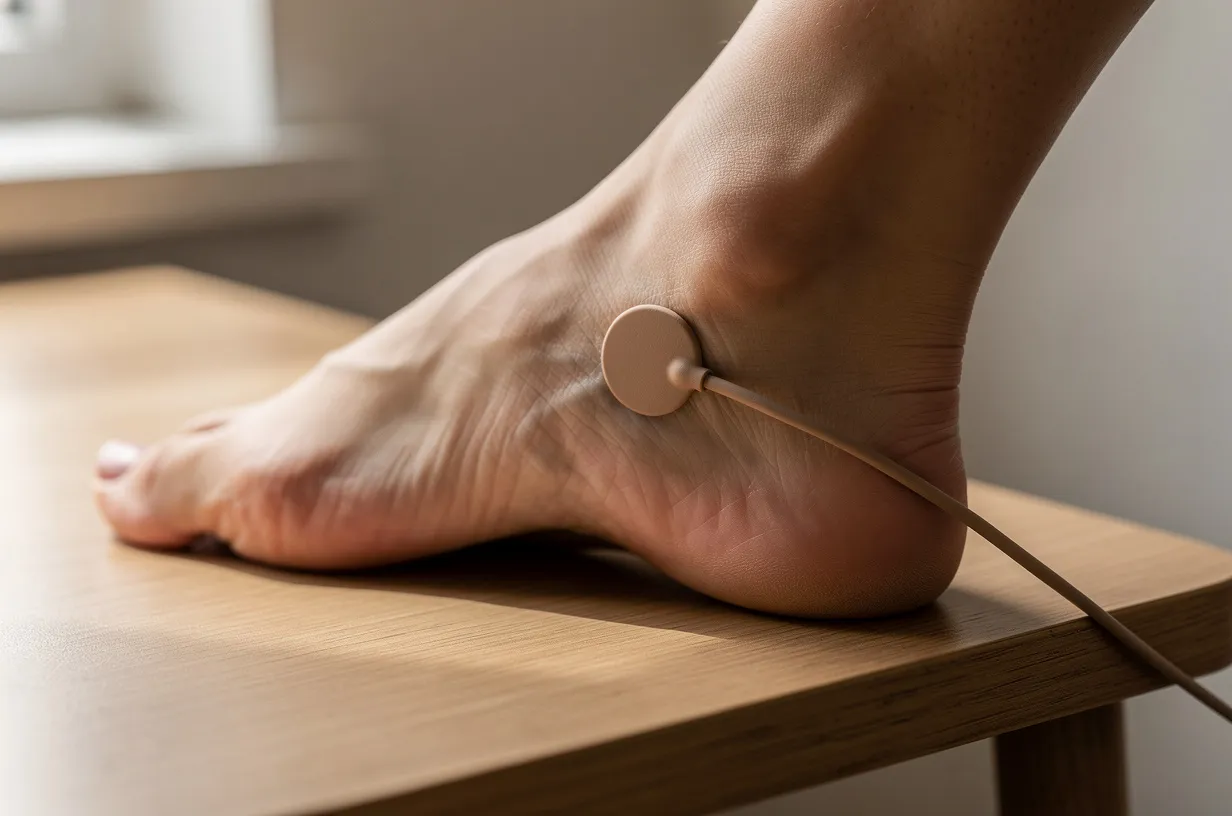
Grounding Body Bands for Targeted Contact
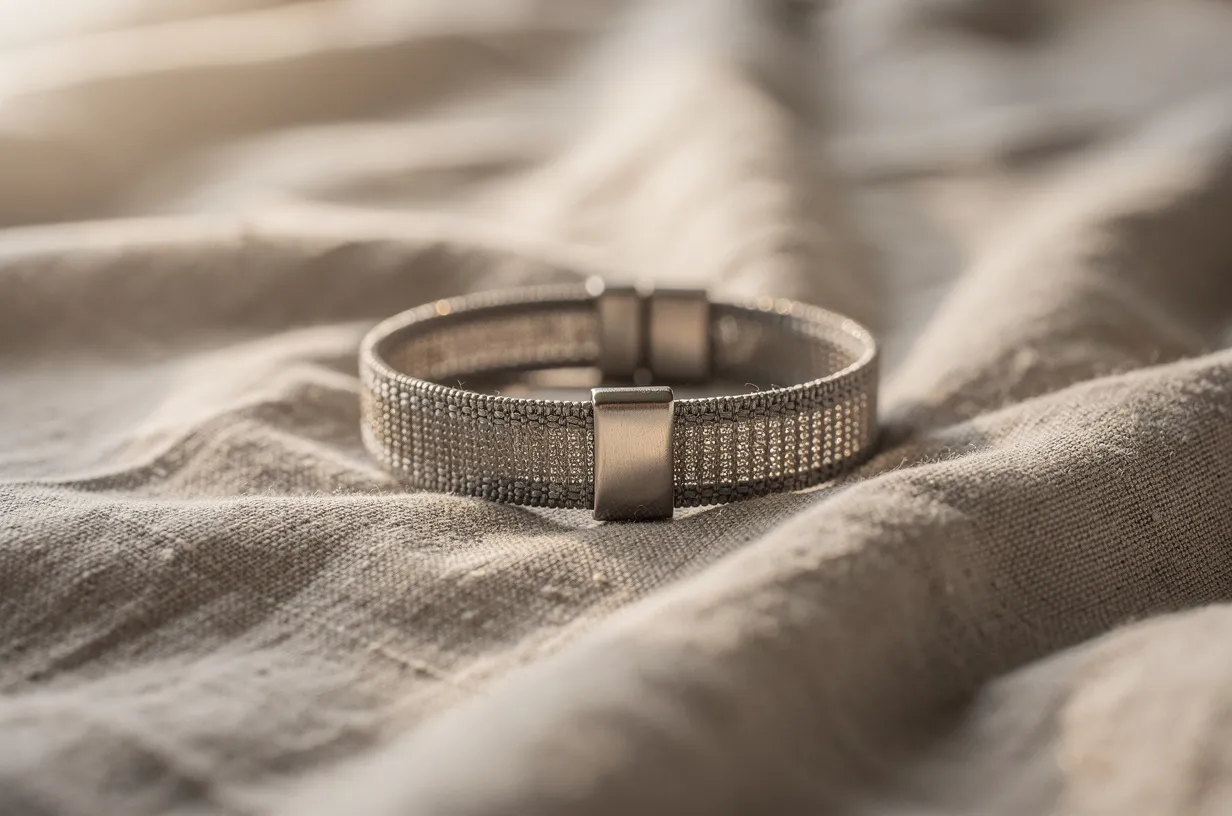
A grounding body band wraps around a wrist, ankle or knee for targeted earthing contact. It’s a useful add-on for desk hours or a sore joint, but it can’t match the skin contact of a full grounding sheet.
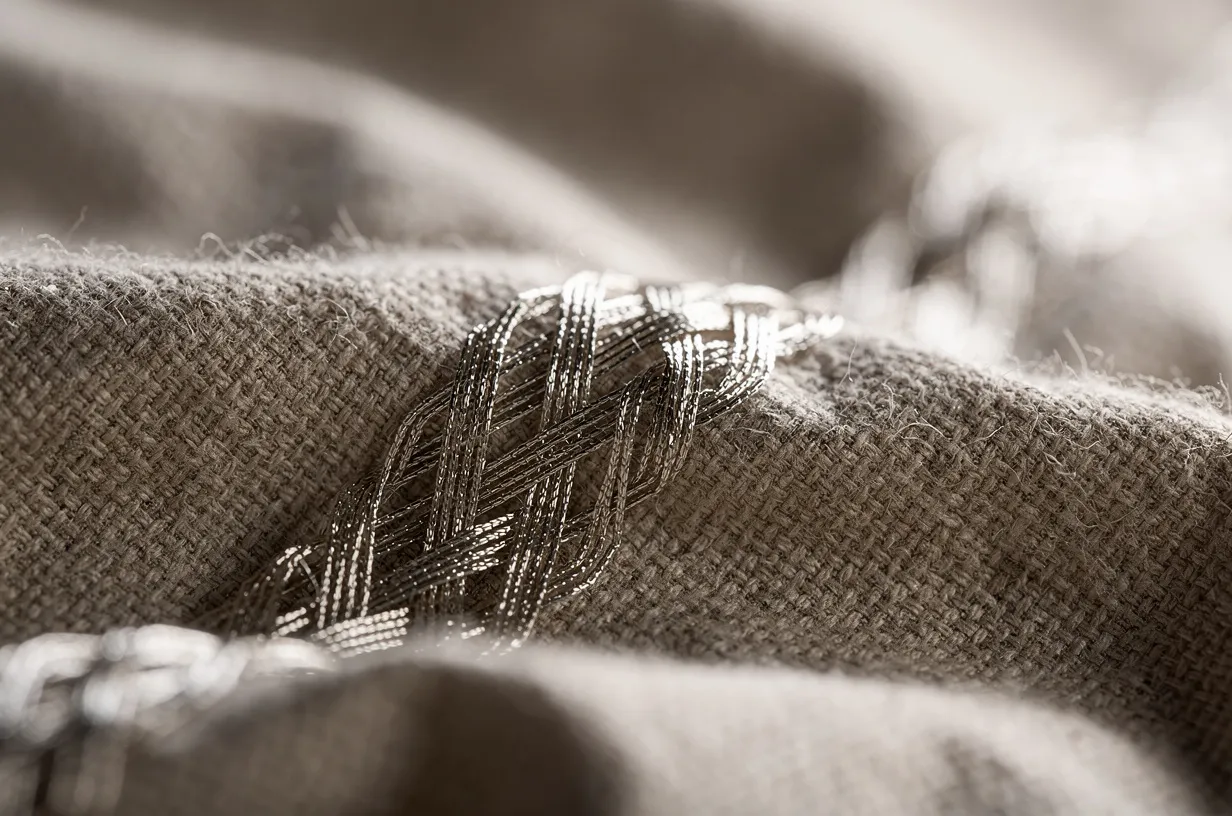

A plain look at what conductive grounding fabric is actually made of, why silver oxidizes faster than stainless steel, and which material holds up best over years of use.
A grounding pillowcase covers a small patch of skin, your face and hands, not your whole body. Good as an add-on to a grounded sheet, weak as a stand-alone buy.
Grounding pet mats exist and they’re low-risk, but every study behind the grounding idea was done on humans, not animals. Here’s what that means for your dog or cat.
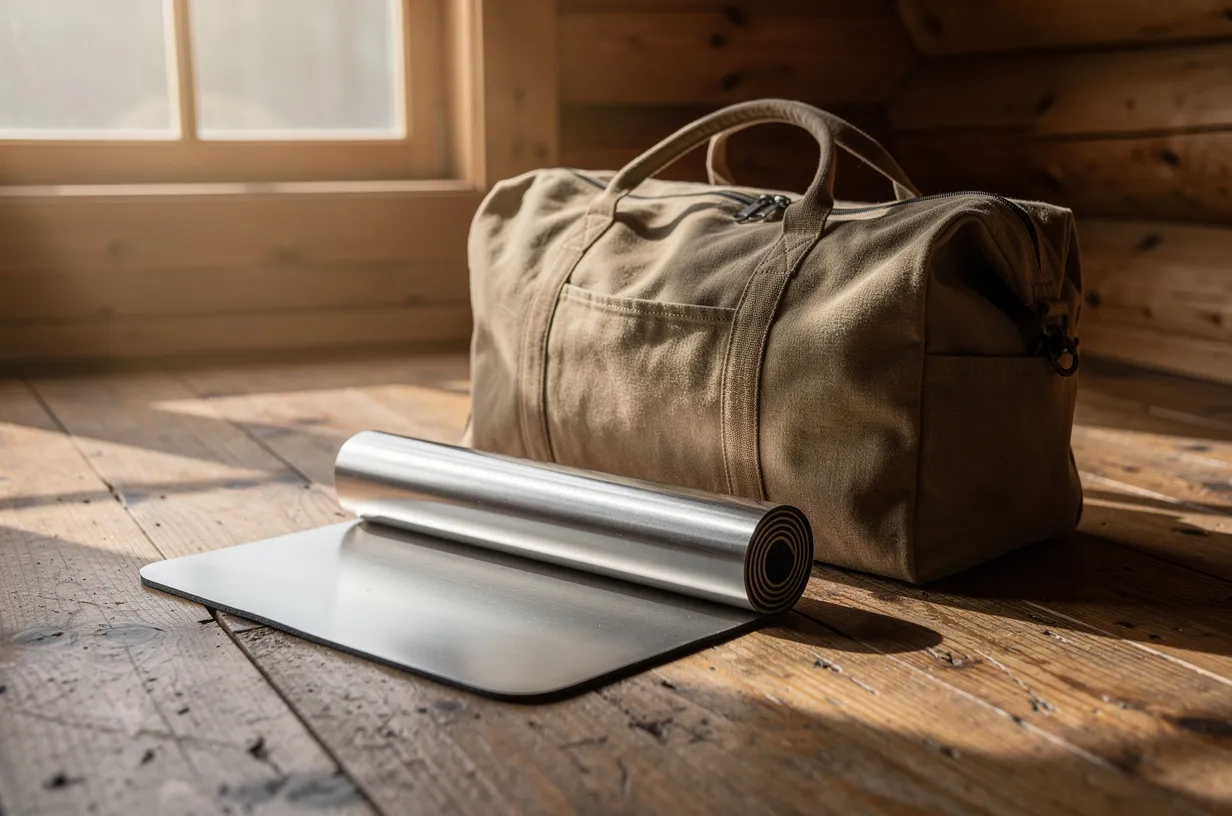
Grounding travel mats shrink the earthing setup down to something you can pack, but less skin contact and unreliable hotel wiring mean they’re a convenience swap, not an upgrade.
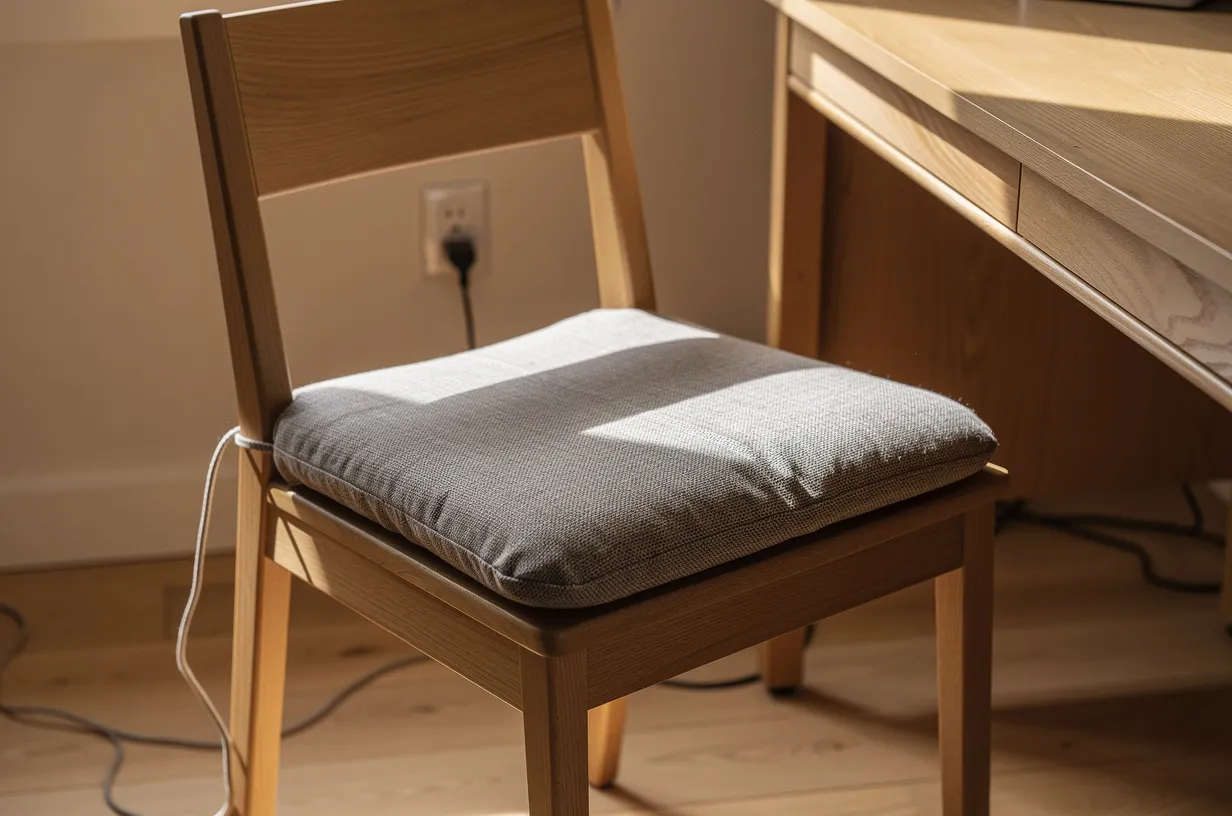
A grounding chair pad connects you to earth ground while seated. Here’s what the evidence actually supports, what to look for, and why it works best as an add-on to a grounding sheet rather than a first purchase.
A grounding desk mat lets you stay earthed while you work at a keyboard. Here’s whether daytime contact time actually matters, and how to set one up safely.
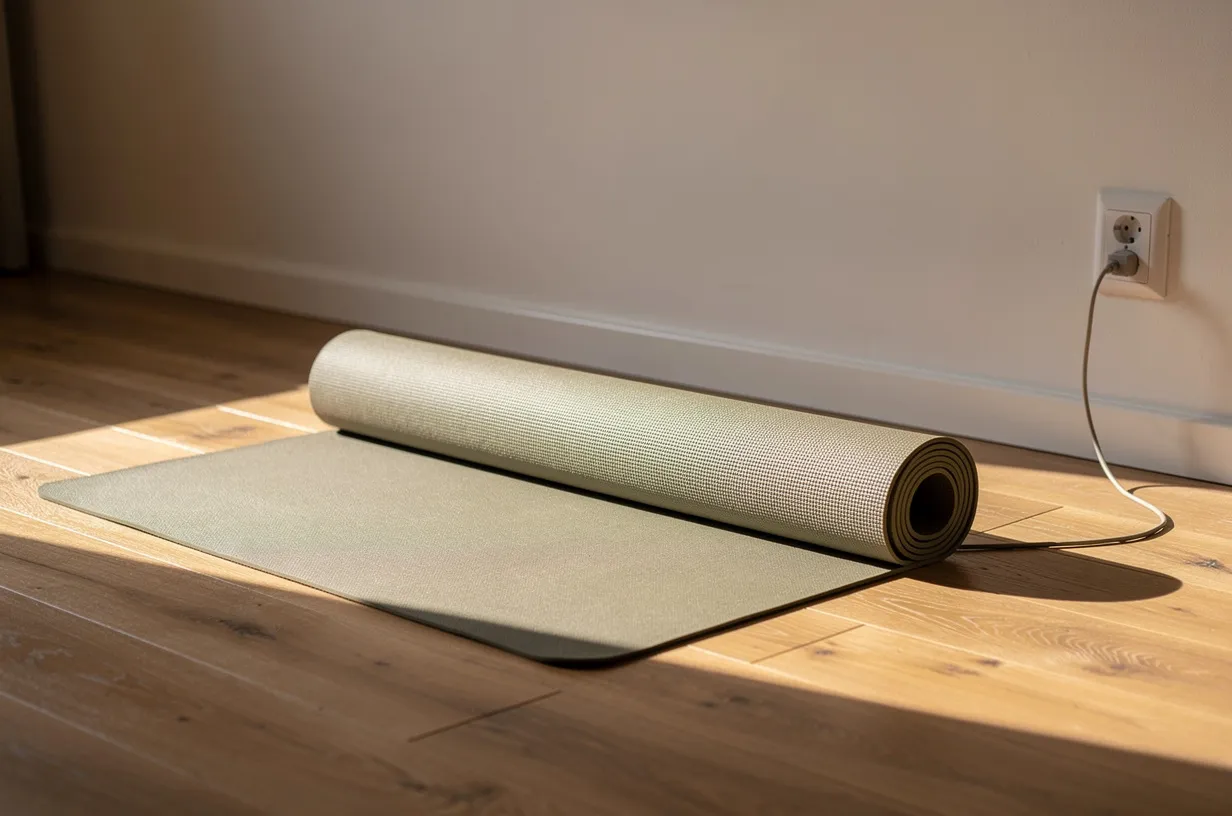
A grounding yoga mat wires your practice into the same earth connection as a grounding sheet, but the short contact time changes what you can realistically expect from it.
A fair look at grounding wristbands: how the contact area compares to a full sheet, what the research actually measured, and when a band makes sense.
Grounding patches are small conductive pads for targeted, portable earthing, useful at a desk or on the road, but they cover far less skin than the sheets and mats used in the actual sleep studies.