
How to Test a Grounding Sheet With a Multimeter
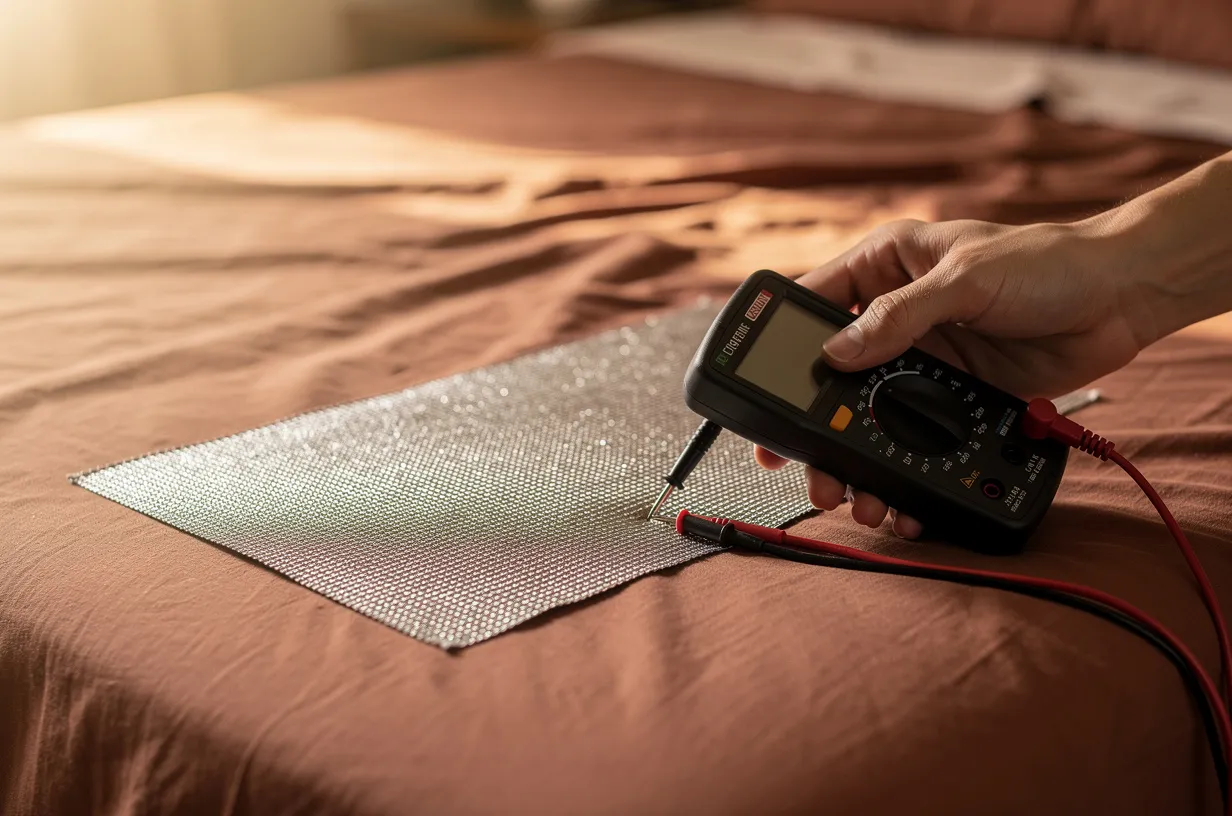
A five-dollar multimeter answers the one question that actually matters: is your grounding sheet making a real connection, or just sitting there plugged in and doing nothing.
A five-dollar multimeter answers the one question that actually matters: is your grounding sheet making a real connection, or just sitting there plugged in and doing nothing.
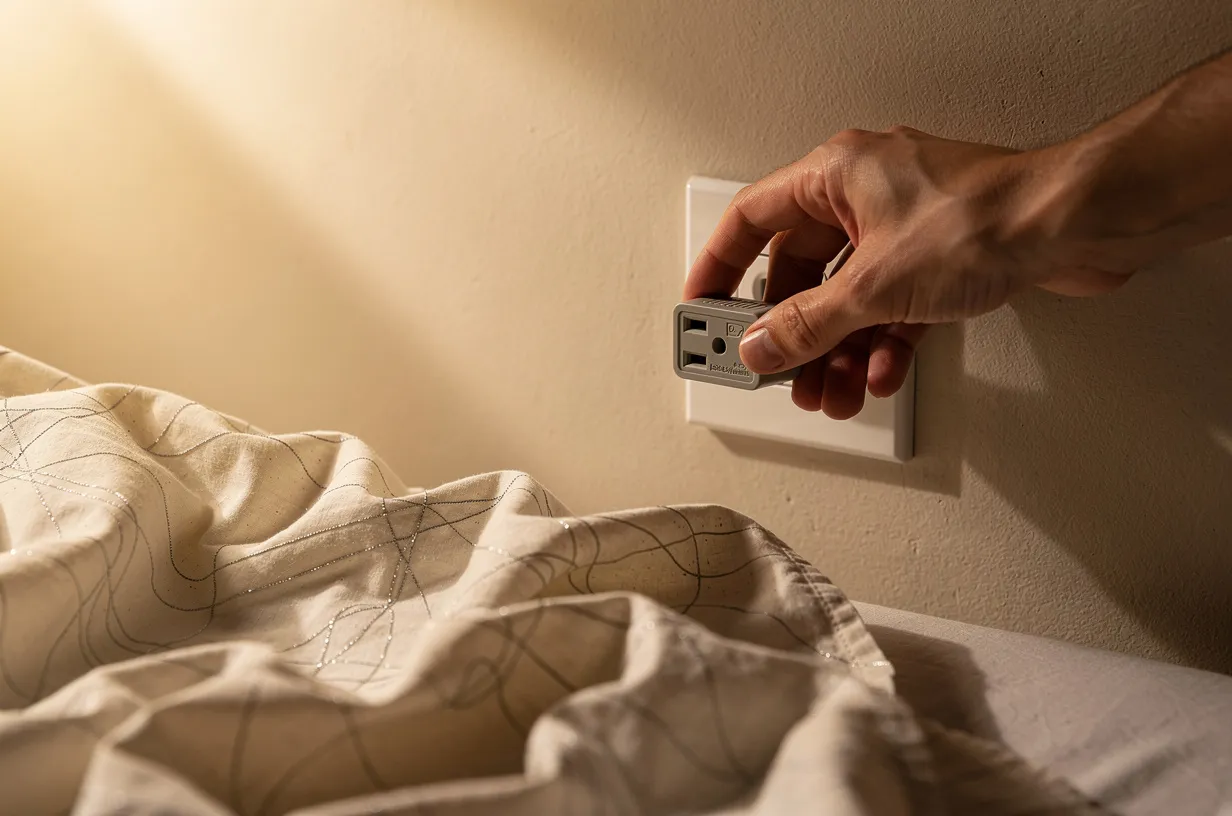
Most grounding sheets that “stop working” have a bad outlet, a loose cord, or oxidized threads, not a defective product. Here’s how to test and fix it in order.
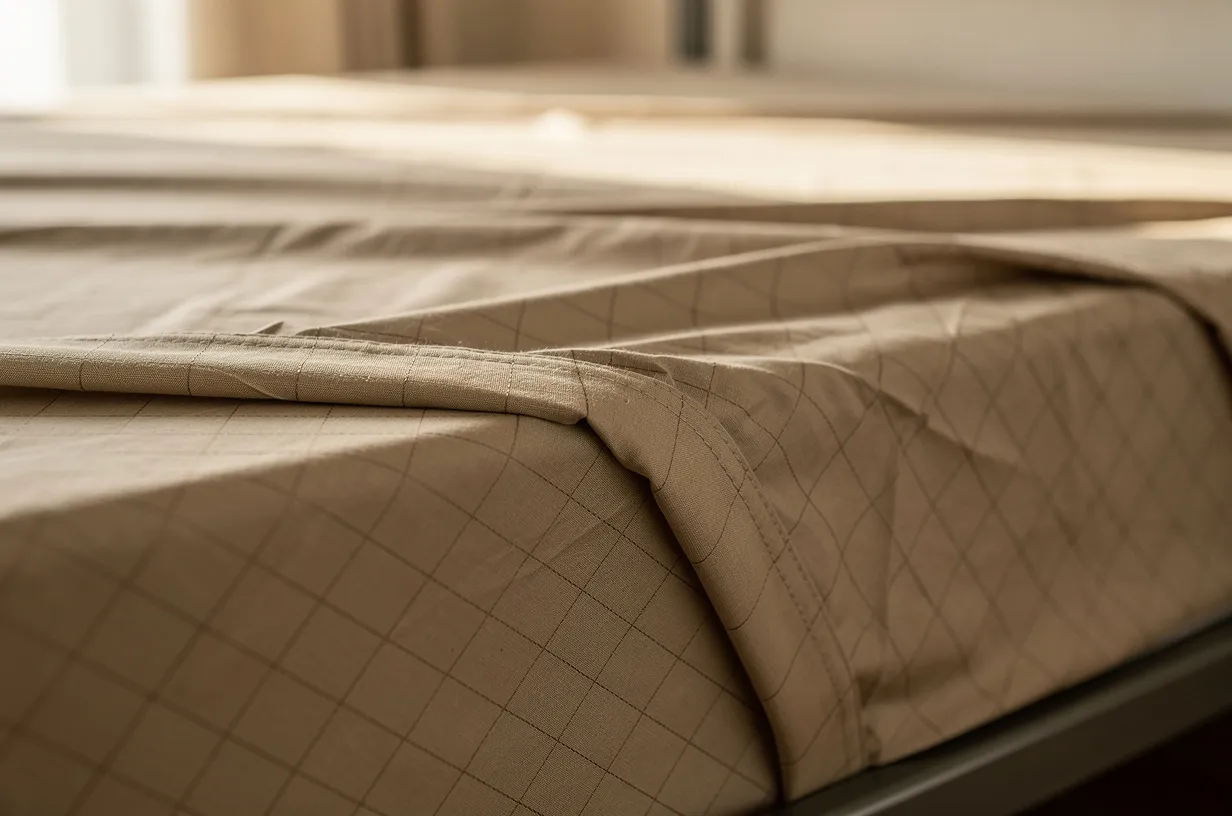
Metal or wood, your bed frame has no real effect on how a grounding sheet works. Here’s what does matter, and when frame type is worth a second look.

A grounding sheet works fine on an adjustable bed frame, metal or wood, since the connection runs through the cord to the wall outlet, not the frame. The real work is giving the cord enough slack for the bed to recline without tugging the snap loose.

Apartment living doesn’t rule out grounding. The real question isn’t square footage, it’s your outlet: grounded three-prong, GFCI, or an old two-prong setup that needs a different plan.

GFCI outlets and grounding sheets aren’t in conflict, the GFCI watches hot and neutral while your sheet uses the ground pin. Here’s why trips happen and how to check your outlet is actually earthed.
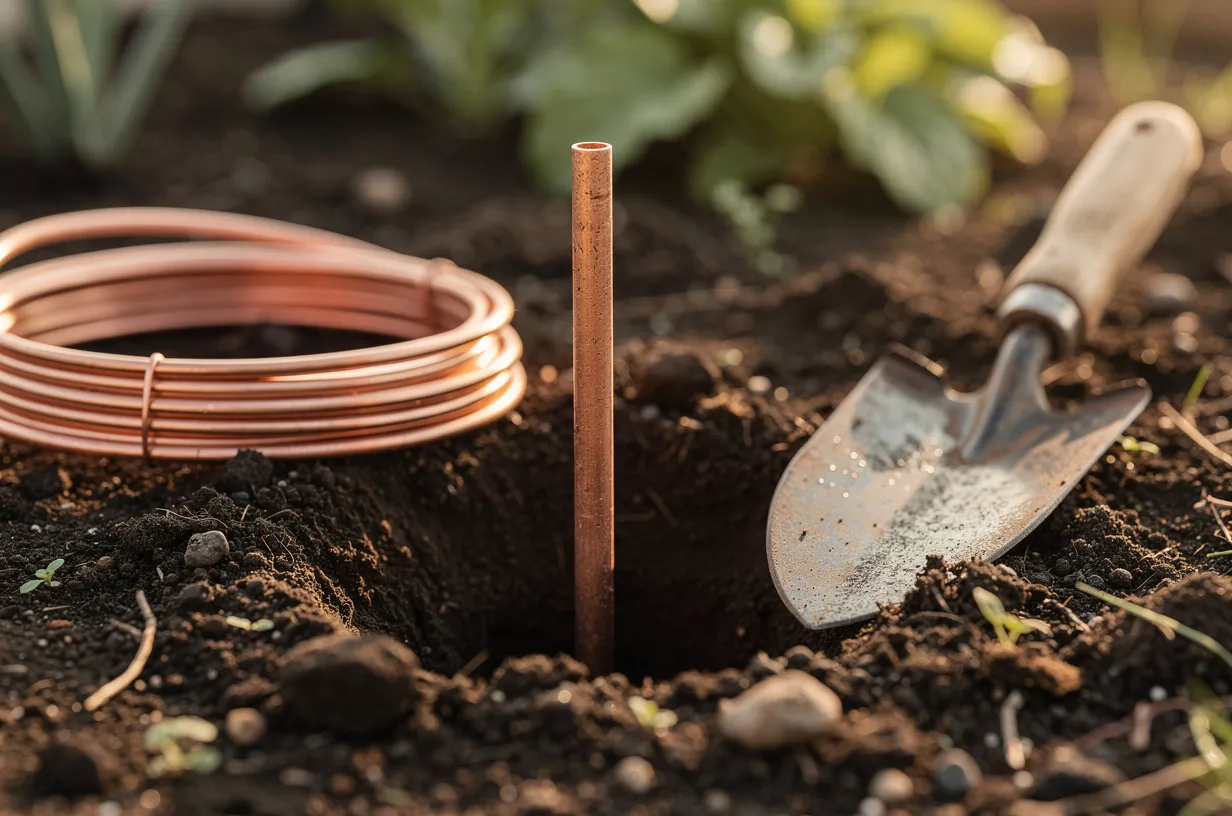
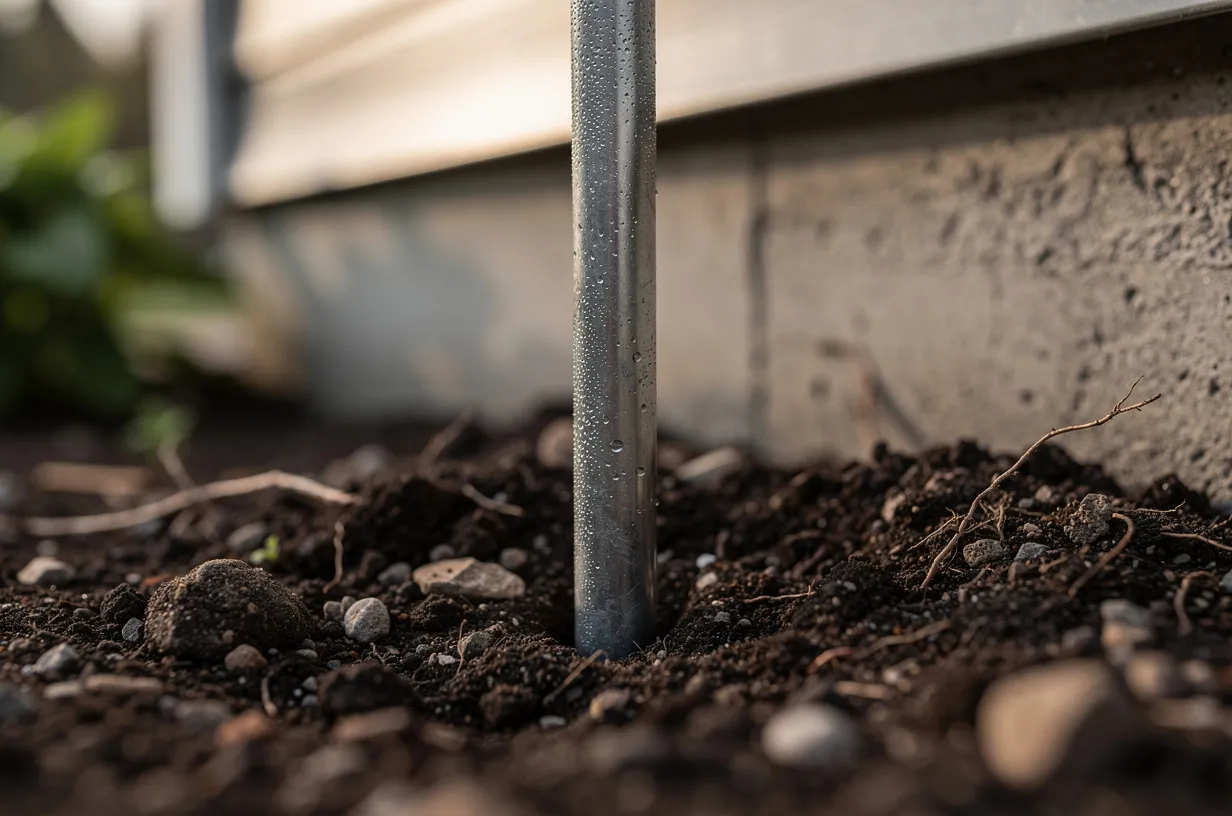
Driving your own ground rod feels like the ‘real’ way to earth a grounding sheet, but for almost everyone the wall outlet already does that job. Here’s when a rod is worth it, and where DIY setups go wrong.
Two-prong outlet or no ground at all? Here’s how to actually connect a grounding sheet anyway, and why cheater adapters don’t count.

Grounding sheet kits add a cord, tester or mat to the core sheet. We break down when the bundle is worth it and when a single sheet is the smarter buy.

Organic cotton makes a grounding sheet softer and cleaner-farmed, but the ground connection comes from the metal thread, not the fabric. Here’s what to actually check.