
What Is a Grounding Cord and How It Works
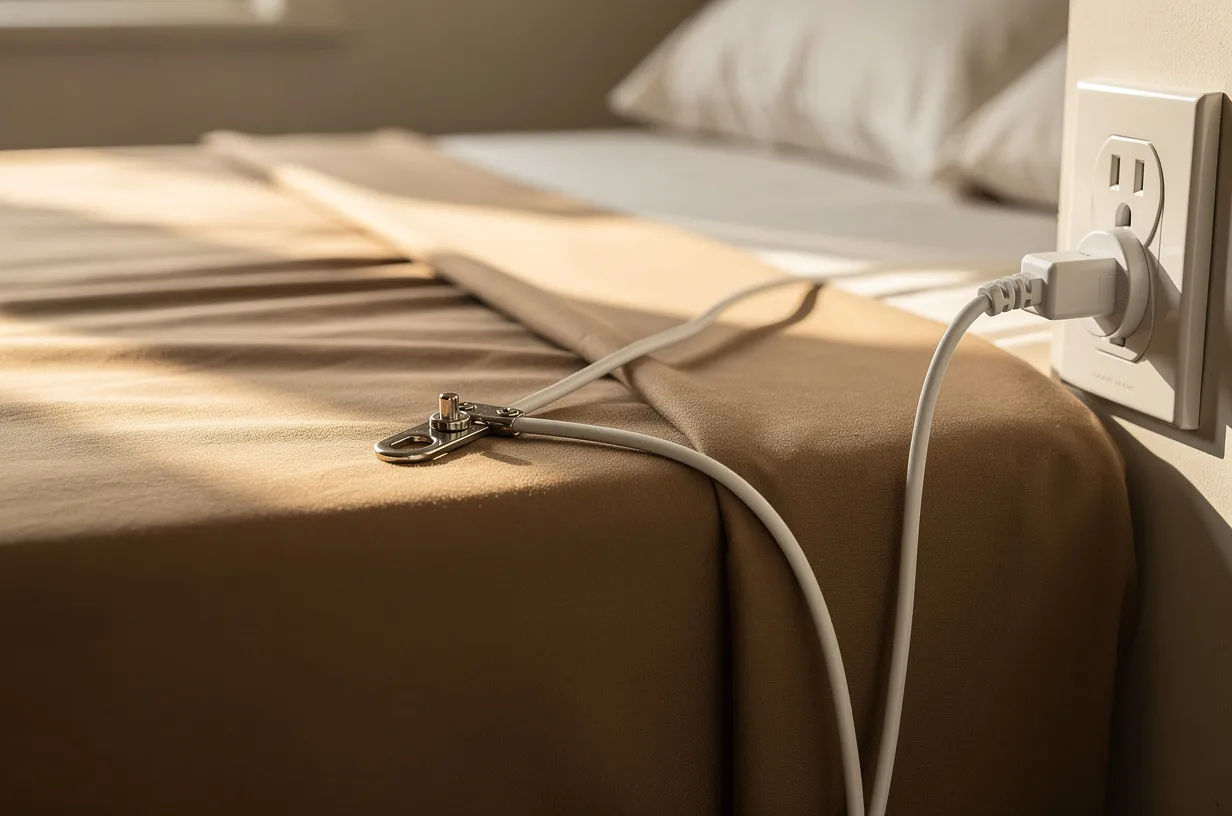
A grounding cord connects a sheet’s conductive threads to the ground pin of a wall outlet or an earth rod. Here’s what’s inside it, how it’s wired, and how to check it’s safe.
A grounding cord connects a sheet’s conductive threads to the ground pin of a wall outlet or an earth rod. Here’s what’s inside it, how it’s wired, and how to check it’s safe.

Grounding and earthing aren’t two different practices, they’re the same thing under two regional names. Here’s where the terms came from and why the label matters less than the materials.
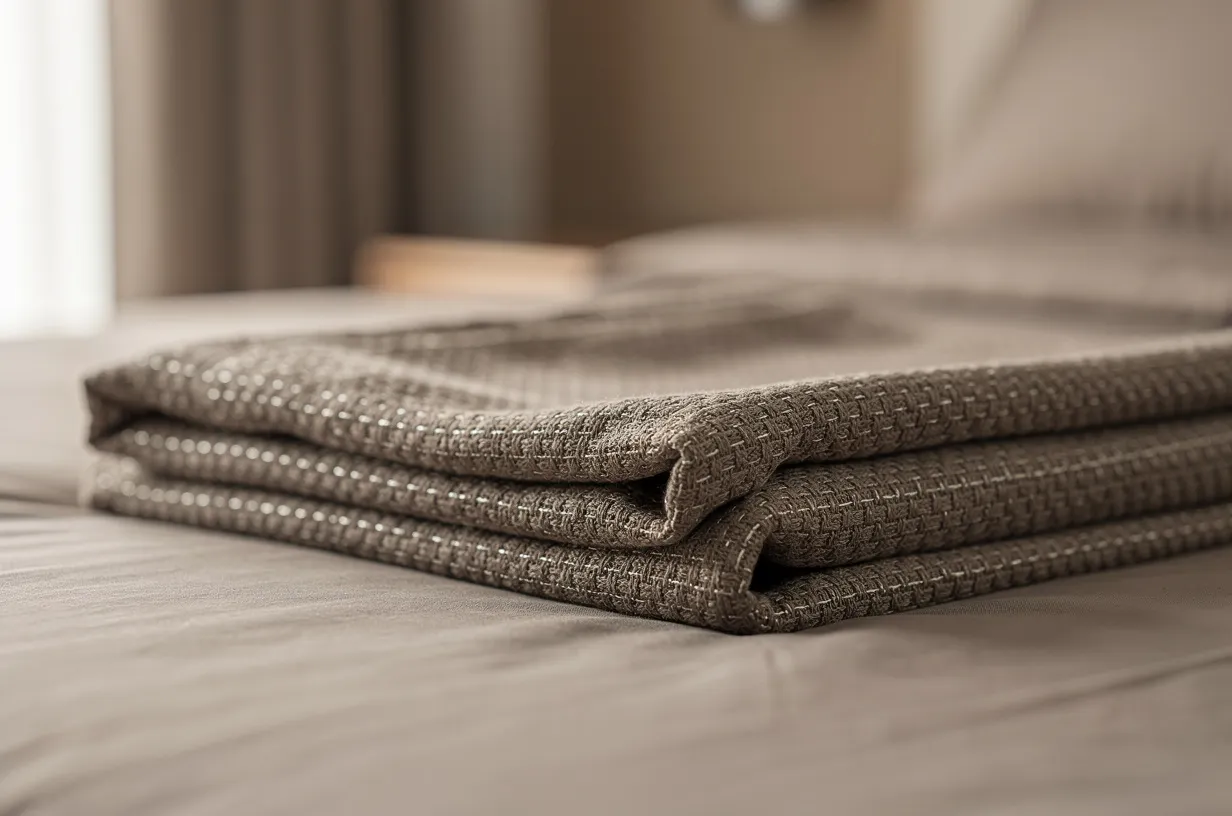
Grounding sheets don’t wear out like regular bedding, their conductive thread does. Silver oxidizes in 1-3 years; stainless steel typically holds up longer, around 5 years with normal care.

Silver-thread grounding sheets tarnish and lose conductivity with washing and time. Stainless-steel fiber avoids that problem, which is the real difference behind the two materials.
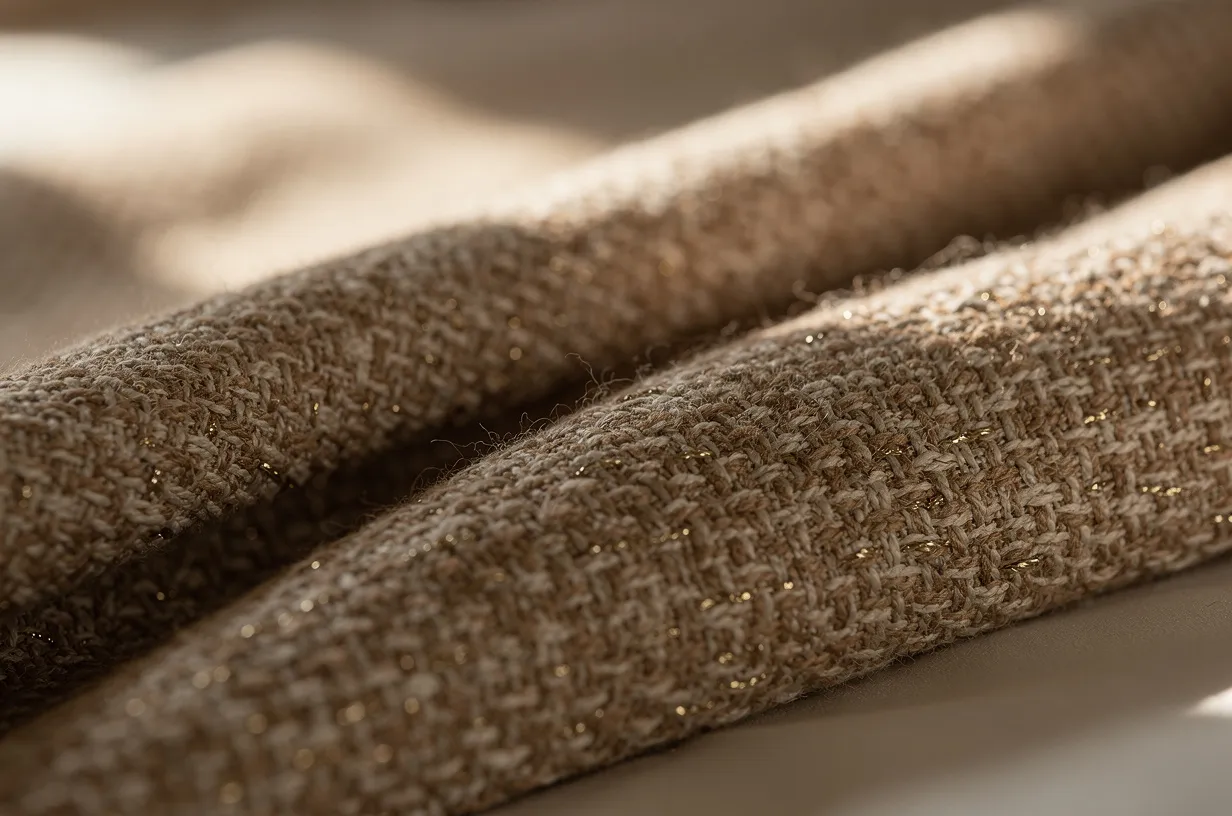
Silver and stainless steel both conduct, but only one holds up to months of washing. Here’s the honest breakdown of which fiber to look for.
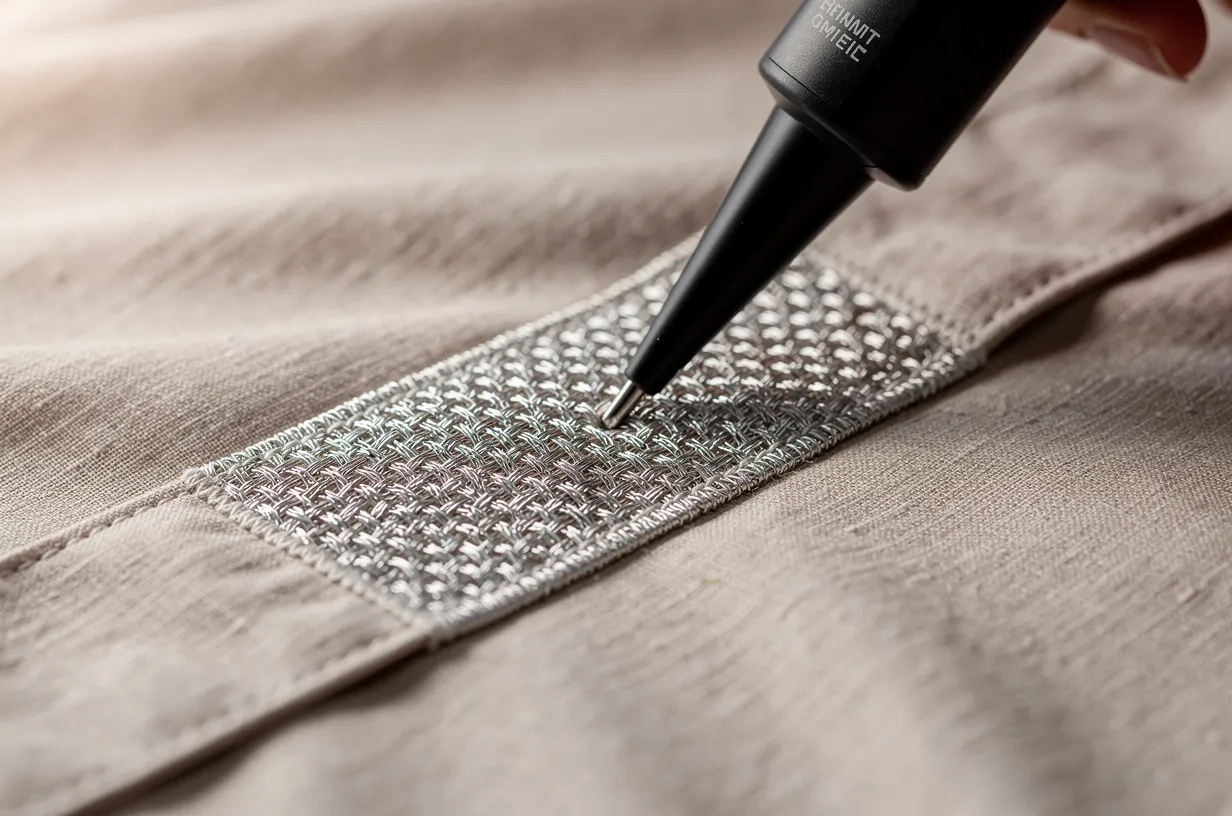
A plain-English breakdown of what the ohm reading on your grounding sheet means, why silver and stainless-steel fiber behave differently over time, and how to test it yourself with a basic multimeter.

Cold weather doesn’t change how a grounding sheet works, it connects to your outlet’s ground wire, not the outdoor climate. The real winter factor is static, and that one actually favors grounding.

The honest answer is every night, for several weeks, since that’s what the small sleep studies actually tested. Occasional use isn’t wasted, it’s just a weaker version of the same experiment.
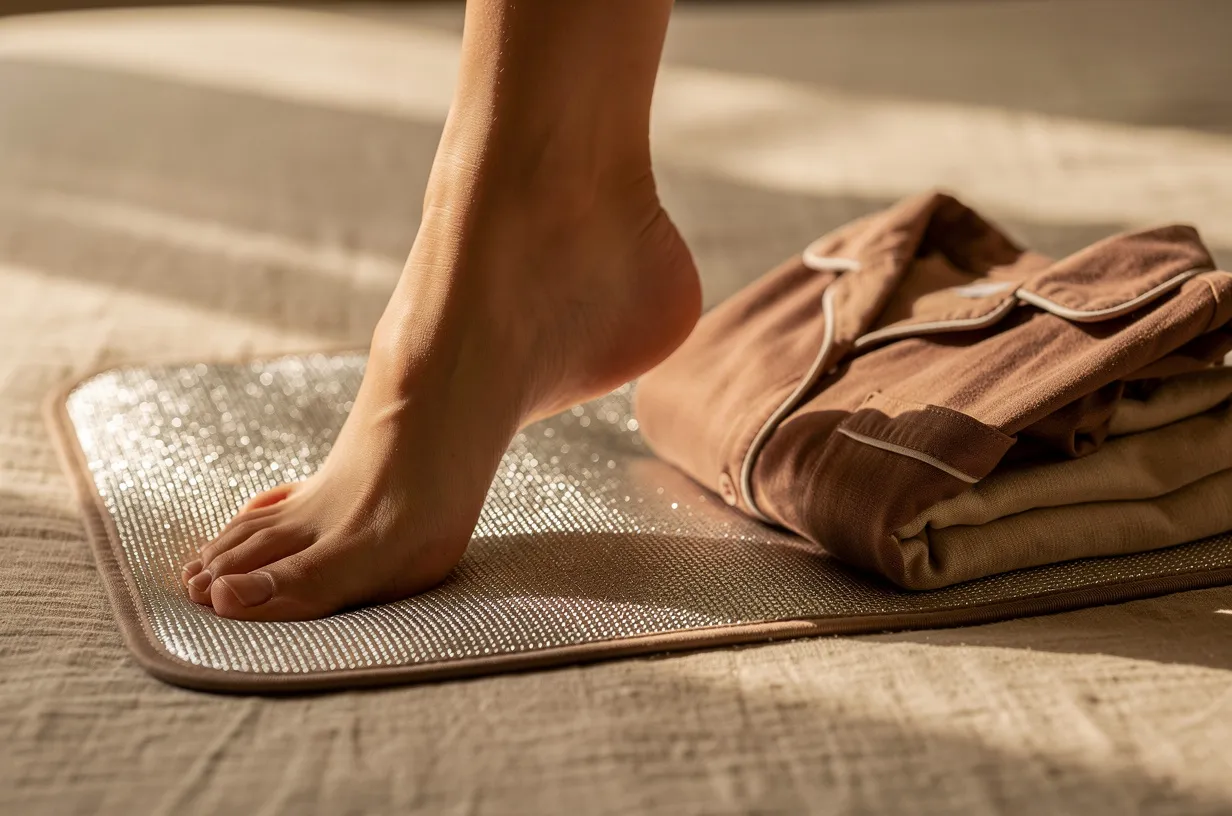
Short answer: not really. Grounding sheets conduct through direct skin contact, and most clothing, especially anything synthetic, blocks that connection almost entirely.
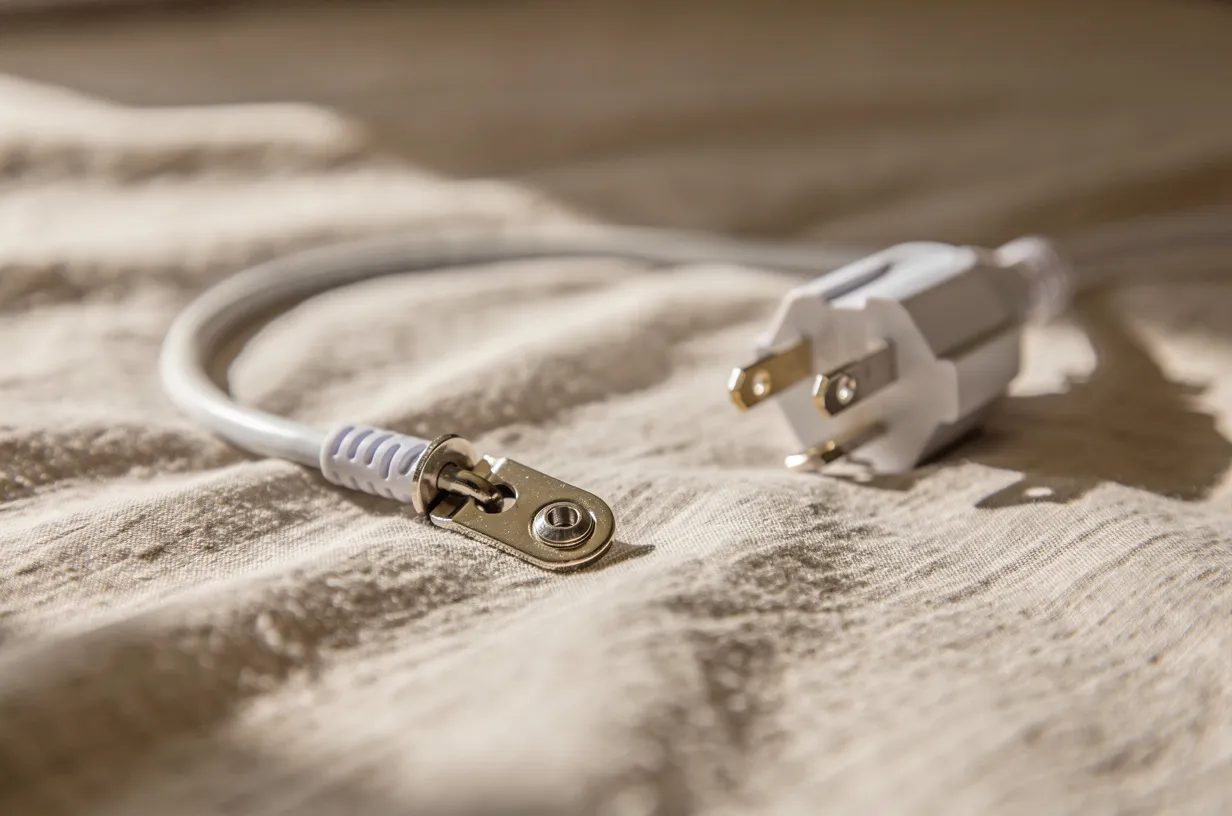
A plain-language breakdown of the cord, snap connector and grounding plug on a grounding sheet, what each piece is doing electrically, and how to tell wear from a real fault.