
Grounding Sheets and Pacemakers: Ask a Doctor

Grounding sheets aren’t proven unsafe for pacemaker patients, they’re simply untested. Here’s why clearing it with your cardiologist first is the honest move.
Grounding sheets aren’t proven unsafe for pacemaker patients, they’re simply untested. Here’s why clearing it with your cardiologist first is the honest move.

Doctors aren’t rushing to prescribe grounding sheets, but most see them as a low-risk sleep experiment, not a treatment. Here’s the honest, evidence-based read.

Grounding sheets do exactly what they claim electrically. The health claims stapled onto them by some marketers go further than the small, early-stage studies actually support.

The grounding studies are small and unblinded, so a placebo contribution is likely. Here’s what that does and doesn’t mean for whether grounding sheets are worth trying.

Grounding sits in an odd spot: real electrical engineering, thin health evidence, and a lot of marketing that outruns both. Here’s the fair read.
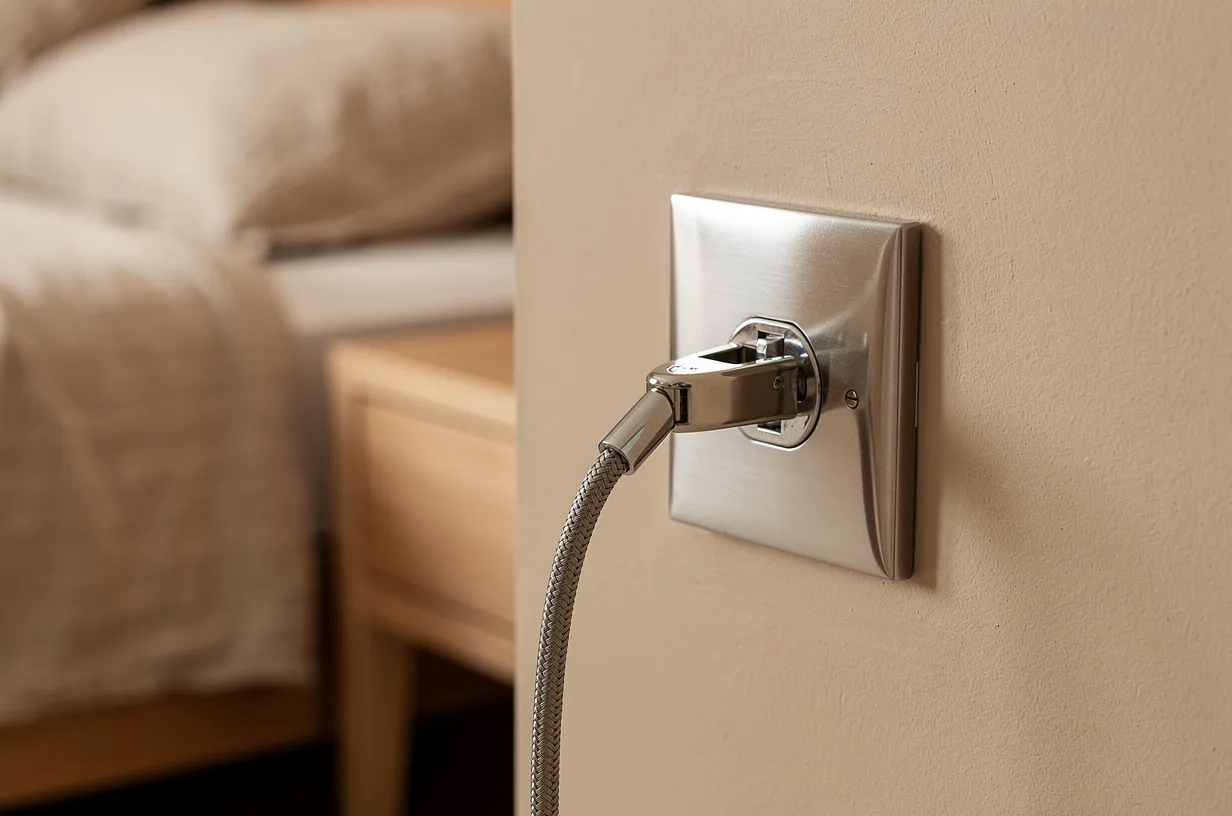
The 2015 grounding inflammation review proposed a plausible antioxidant mechanism, but it’s a hypothesis paper, not a clinical trial. Here’s exactly what it does and doesn’t show.
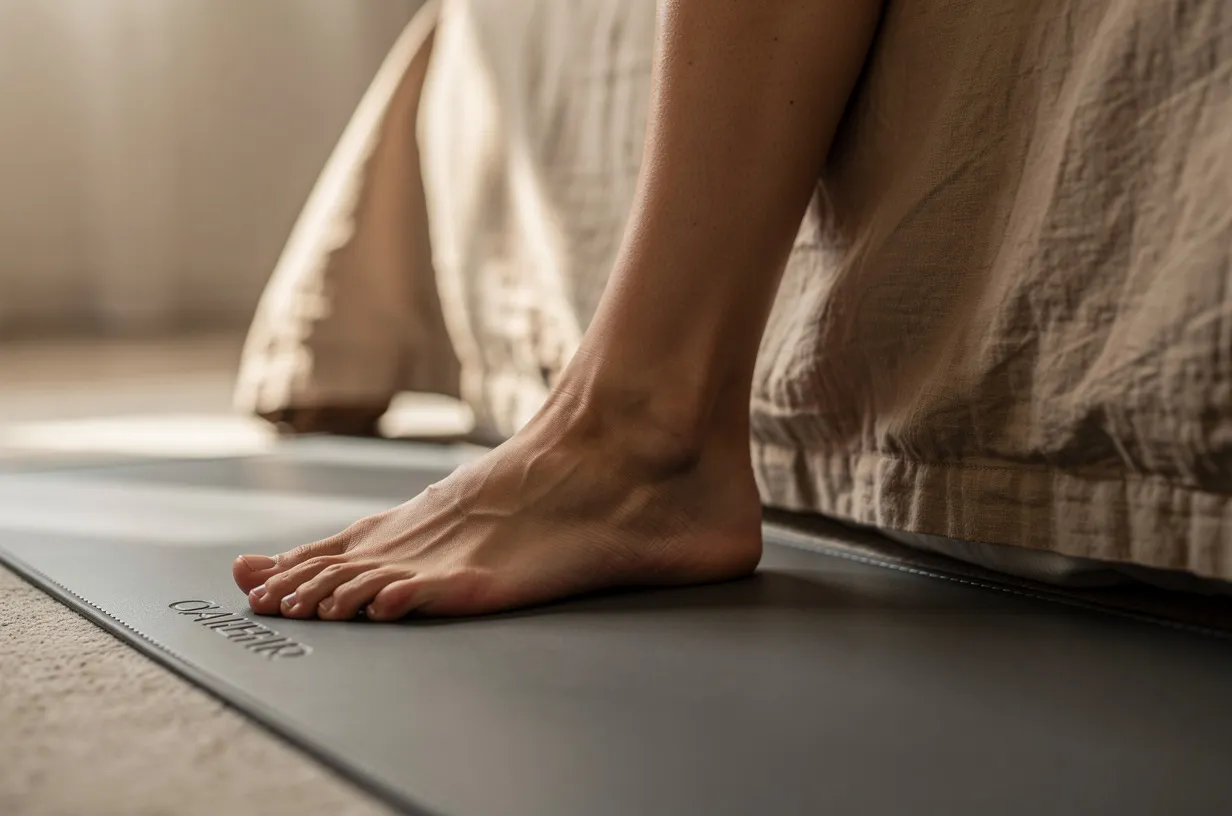
A small, unblinded 2013 pilot found grounding changed a blood-cell clumping marker. Here’s what that does and doesn’t prove.

The 2004 cortisol study is the most-cited grounding research out there. Here’s an honest look at what it actually tested, what it found, and how much weight it can fairly carry.

The full, honest list of clinical studies behind grounding sheets, six papers in total, what each one actually found, and why the body of evidence is still small.

Earth potential is the physics idea behind grounding sheets: the earth sits at electrical zero, and a properly wired outlet ties your body to that reference while you sleep.