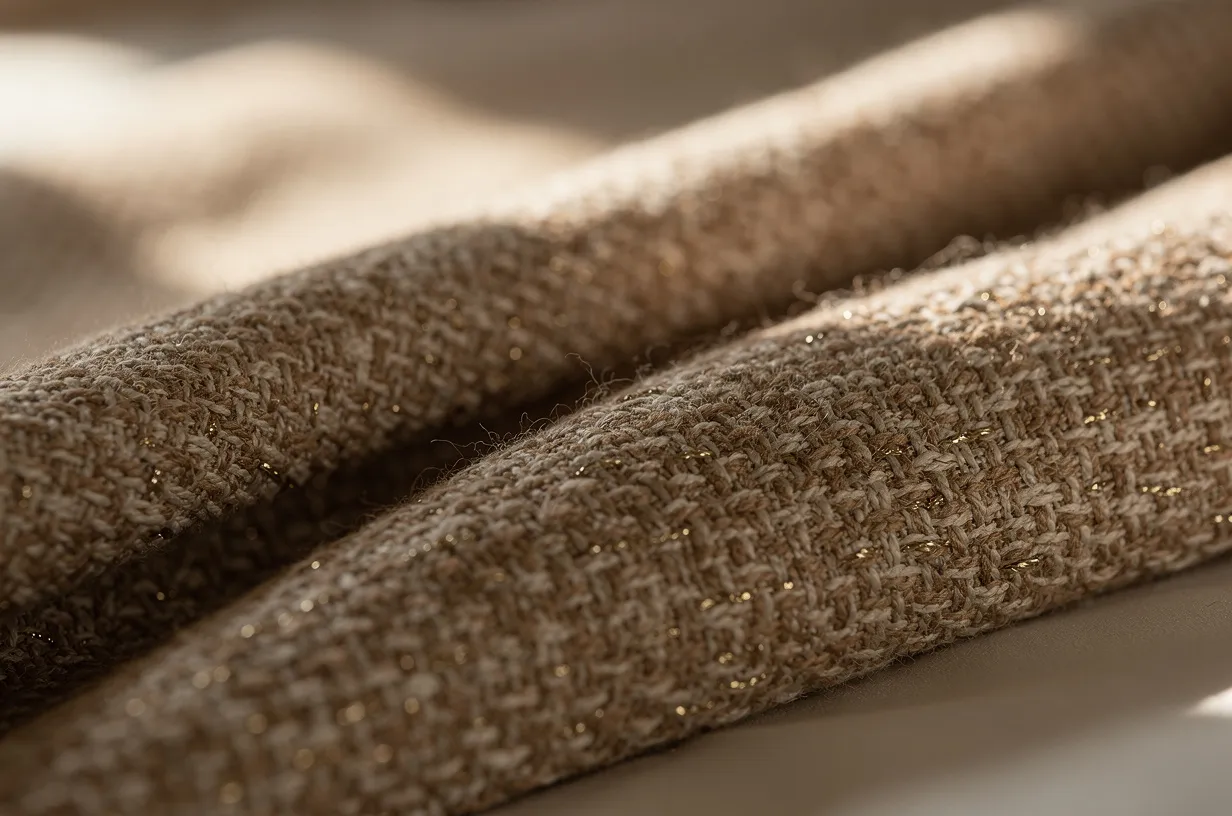
Silver and stainless steel are the two fibers actually used to make grounding sheets conductive, and the short answer is: silver conducts slightly better when it’s new, but stainless steel holds that conductivity a lot longer. If you want a sheet that still works the way it did on day one after a year of washing, stainless steel is the safer bet. If you want the cheapest entry point and don’t mind replacing the sheet sooner, silver-thread sheets are fine.
Stainless steel fibers cost a little more up front but resist oxidation, so they stay conductive far longer than silver-thread bedding under normal washing.
What’s actually different between silver and stainless steel fibers?
Most What Are Grounding Sheets Made Of? Silver vs Stainless Steel Fibers are woven with a small percentage of conductive fiber blended into cotton, and that fiber is either pure silver thread or stainless steel thread. Both are metals, both carry a current, and on a spec sheet they can look nearly identical. The difference shows up over time, not on day one.
Silver is a fantastic conductor. It’s also chemically reactive, and reactive metals corrode. Every time silver thread gets wet, exposed to detergent, or rubbed against skin oils, a thin layer of silver oxide or sulfide can form on the surface. That layer doesn’t conduct electricity nearly as well as bare silver does.
Stainless steel is a slower, less flashy conductor by comparison, but it’s built to resist exactly that kind of corrosion. It’s the same reason stainless steel shows up in kitchens and surgical tools instead of silver: it shrugs off moisture and washing without breaking down.
Which one conducts electricity better when the sheet is new?
Silver, technically. Pure silver has the highest electrical conductivity of any metal, and stainless steel isn’t close on paper. But grounding sheets don’t need laboratory-grade conductivity, they need a low-resistance path from your skin to the ground pin in a wall outlet, and both materials clear that bar easily when the fabric is fresh out of the package. You’d need a meter to tell the difference on day one, not your body.
Which one lasts longer?
This is where the two materials really split, and it’s the reason we recommend stainless over silver for most people. Do Grounding Sheets Oxidize? Silver vs Steel covers the chemistry in more detail, but the practical version is simple: silver thread starts to oxidize within months of regular washing, and that oxide layer builds resistance into the fabric. You may not notice right away, especially if you’re not testing the sheet, but the effect is cumulative.
Stainless steel fiber doesn’t have that failure mode. Manufacturers who use it, including our top pick, often point to roughly five times the working life of a comparable silver-thread sheet under normal washing. We can’t verify an exact multiplier for every brand, but the underlying materials science is not in dispute. If you want a sense of how long either type tends to hold up in practice, How Long Do Grounding Sheets Last? walks through realistic timelines.
Does the fiber type change how the sheet feels or is cared for?
Barely, at least at first. Both fibers are woven in thin enough amounts that the fabric still feels mostly like cotton against skin. Over time, though, oxidized silver thread can leave faint dark streaking on the fabric near the conductive threads, which some owners mistake for a manufacturing defect. Stainless steel doesn’t discolor that way. Care instructions are similar for both: cold wash, no fabric softener (it can coat the fibers and block conductivity), and air dry when possible.
How do the two compare side by side?
| Silver thread | Stainless steel thread |
|---|---|
| Slightly higher raw conductivity when new | Slightly lower raw conductivity, but plenty for grounding use |
| Oxidizes with washing, resistance climbs over months | Resists oxidation, conductivity stays stable much longer |
| Can develop dark streaking near threads over time | No discoloration from corrosion |
| Usually the cheaper option up front | Usually a small premium, offset by longer usable life |
| Common on older and budget-focused brands | Used by brands positioning around durability |
So which should you actually buy?
If you’re testing whether grounding does anything for your sleep before committing, a silver-thread sheet is a reasonable low-cost way to try the idea, and How Do Grounding Sheets Work? The Mechanism Step by Step explains what you’re actually testing. If you already know you want to sleep grounded long-term, stainless steel is the fiber that keeps working without you having to think about it or re-test the sheet every few months with a meter (see How to Test if Your Grounding Sheet Is Actually Working if you want to check yours).
Our tested top pick, Premium Grounding, uses 30% stainless-steel fiber for exactly this reason, and it fits under a fitted sheet like a mattress protector rather than replacing your existing sheets. It comes with a 90-night trial and a 3-year warranty, which is a meaningful signal on a product where the main failure mode is slow, invisible fiber degradation you can’t see from the outside.
Premium Grounding Sheet
30% stainless-steel fibers instead of silver, so it will not oxidize and lasts about five times longer. Fits under your fitted sheet, ships worldwide, and comes with a 90-night trial and a 3-year warranty.
Check price on Premium GroundingFrequently asked questions
Is stainless steel always better than silver in grounding sheets?
For longevity, yes. For sheer conductivity on day one, silver has a very slight edge, but it’s not an edge you’d feel. Over a year or two of normal use, stainless steel’s resistance to oxidation matters more than silver’s starting advantage.
Can I mix a silver sheet with a stainless steel mat or grounding cord?
Yes. Grounding accessories connect through the outlet’s ground pin, not to each other, so the fiber type of one product doesn’t need to match another. Just don’t assume a corroded silver item is still grounding you well just because a stainless item nearby is.
How would I know if my silver sheet has oxidized and stopped working well?
You generally can’t tell by eye or touch until the oxidation is advanced. A basic continuity or resistance test with a multimeter, or a purpose-built grounding tester, is the only reliable check. How to Test if Your Grounding Sheet Is Actually Working walks through the process.
Do silver grounding sheets contain enough silver to cause skin reactions?
It’s uncommon. The silver thread is a small percentage of the total fabric, similar to antimicrobial silver used in some athletic clothing. If you have a known metal sensitivity, mention it to your doctor before using either type against skin nightly, and stop use if you notice irritation.
Is the price difference between silver and stainless steel sheets significant?
It varies by brand, so check the current price on any specific product rather than assuming a fixed gap. In general, stainless steel sheets carry a modest premium that’s usually offset by not having to replace the sheet as often.
- What Is Earthing? The Practice Behind Grounding, Explained
- How Do Grounding Sheets Work? The Mechanism Step by Step
- Grounding Sheets vs Earthing Sheets: Same Thing, Different Name?
- What Are Grounding Sheets Made Of? Silver vs Stainless Steel Fibers
- The History of Grounding: How Cultures Slept Connected to the Earth
- How to Test if Your Grounding Sheet Is Actually Working
- Grounding Sheet Conductivity and Ohms Explained
- Do Grounding Sheets Oxidize? Silver vs Steel
- How Long Do Grounding Sheets Last?
- Grounding vs Earthing: Is There a Difference?
- What Is a Grounding Cord and How It Works
- Earth Potential and Grounding, Explained Simply
← What Are Grounding Sheets? How Earthing Bedding Actually Works