
Grounding and Negative Ions: The Idea

Grounding marketing often talks about ‘absorbing negative ions.’ That’s not quite what’s happening. Here’s the more accurate, less catchy explanation.
Grounding marketing often talks about ‘absorbing negative ions.’ That’s not quite what’s happening. Here’s the more accurate, less catchy explanation.

The claim that grounding neutralizes free radicals comes from one hypothesis paper, not a proven effect. Here’s the honest breakdown.
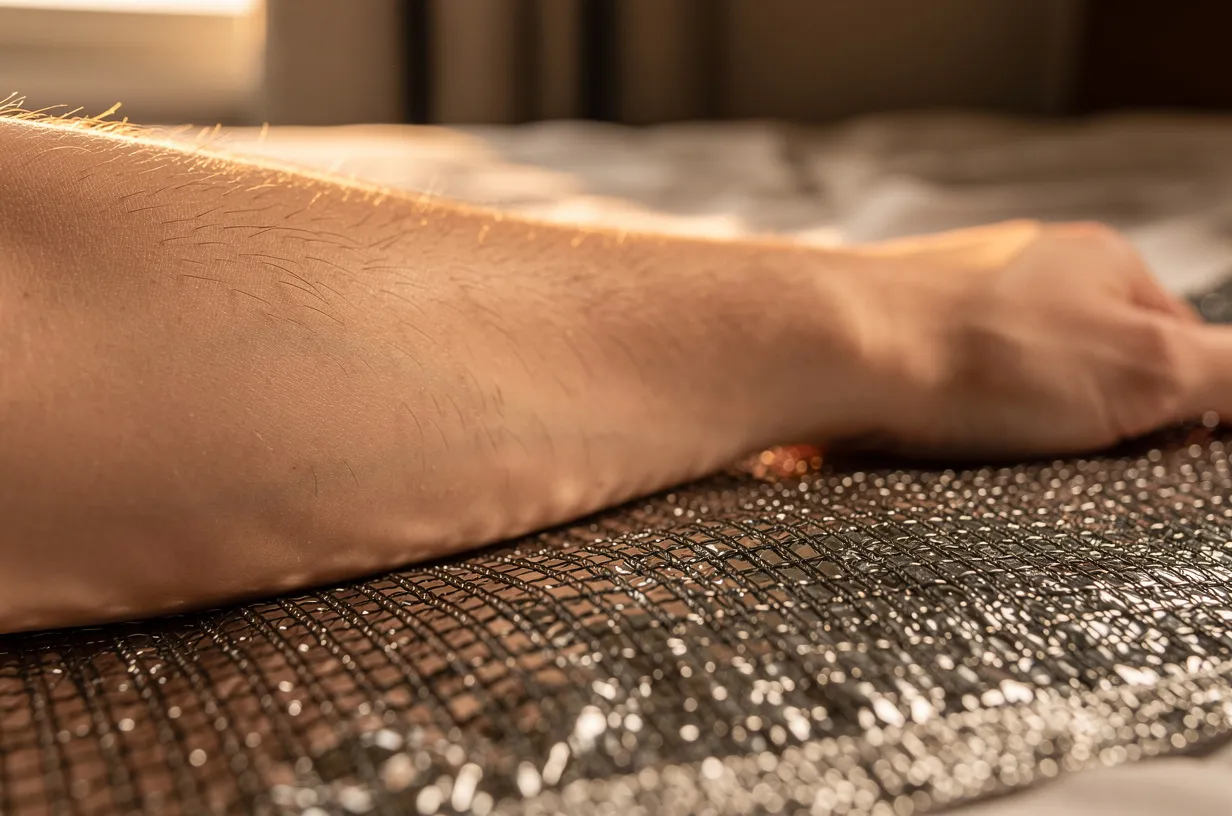
A small 2013 study found grounding raised the zeta potential of red blood cells, meaning less clumping. Here’s what that finding actually means, and doesn’t.
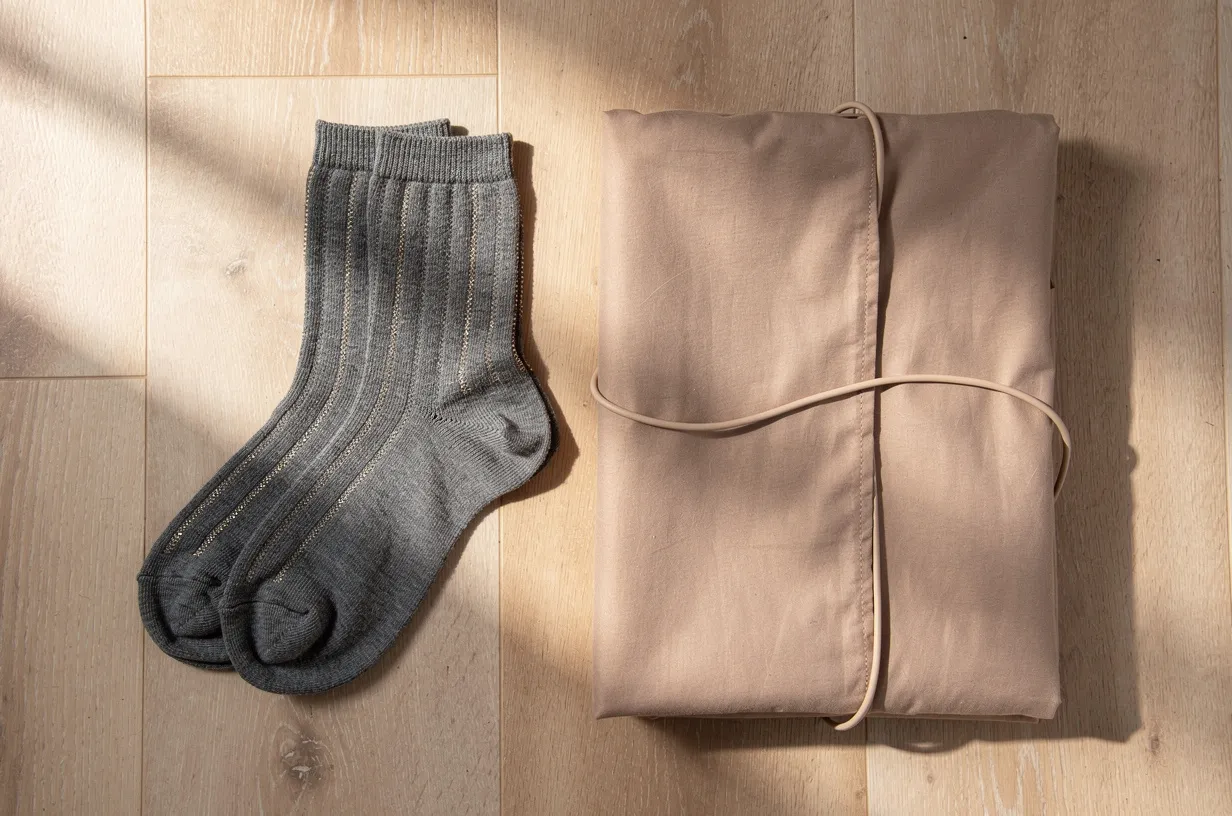
Grounding sheets cover more skin and work while you sleep; grounding socks are better suited to daytime grounding at a desk or with a mat. Here’s the honest comparison.

A grounding mat for dogs works the same way a human one does, but there’s no dog-specific research behind it, and most dogs already touch bare ground outside every day.
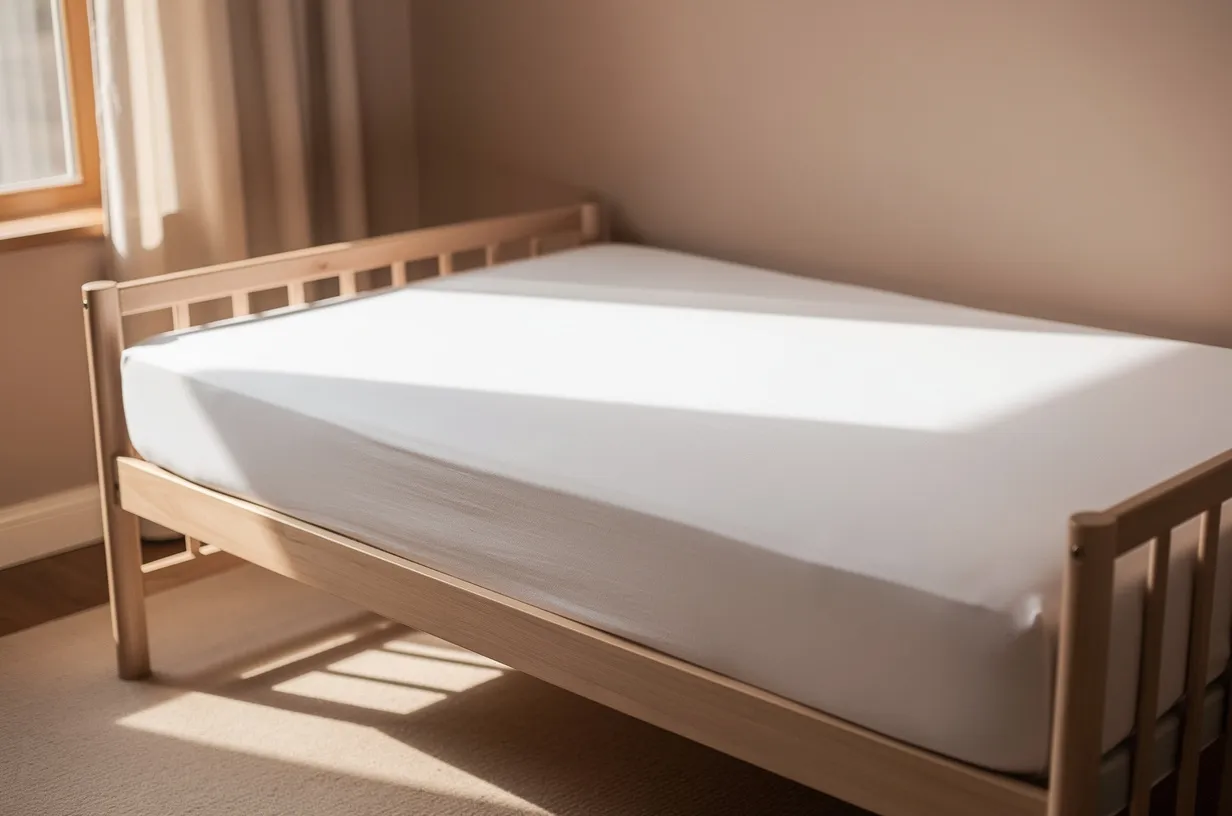
No study has tested grounding on infants, and safe-sleep guidance calls for a bare crib. Here’s why we recommend skipping it for babies and trying grounding on your own bed instead.
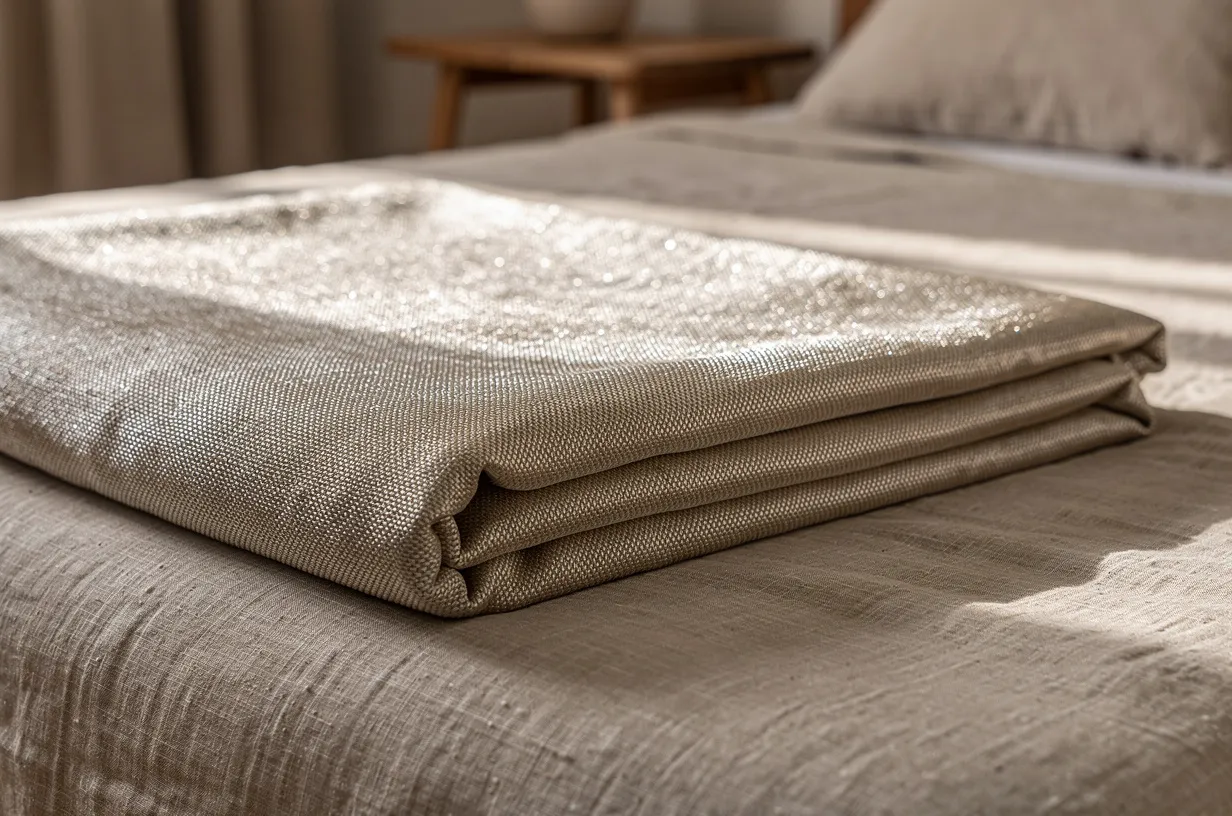
Stainless steel beats silver for durability, and a full pad only beats a sheet if you actually need edge-to-edge coverage. Here’s how the main grounding mattress pads compare in 2026.
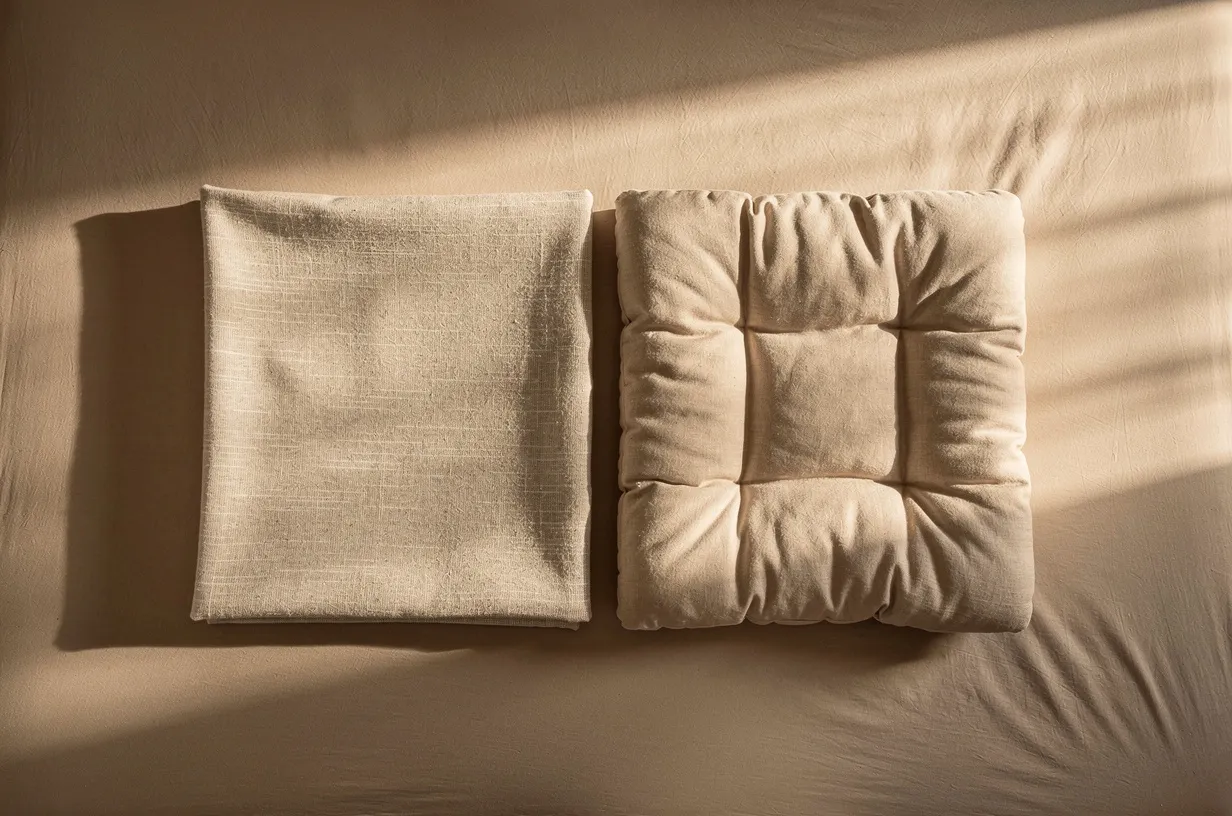
A grounding sheet is the cheaper, simpler place to start earthing; a grounding mattress pad gives fuller coverage but costs more and needs more upkeep. Here’s how to choose.
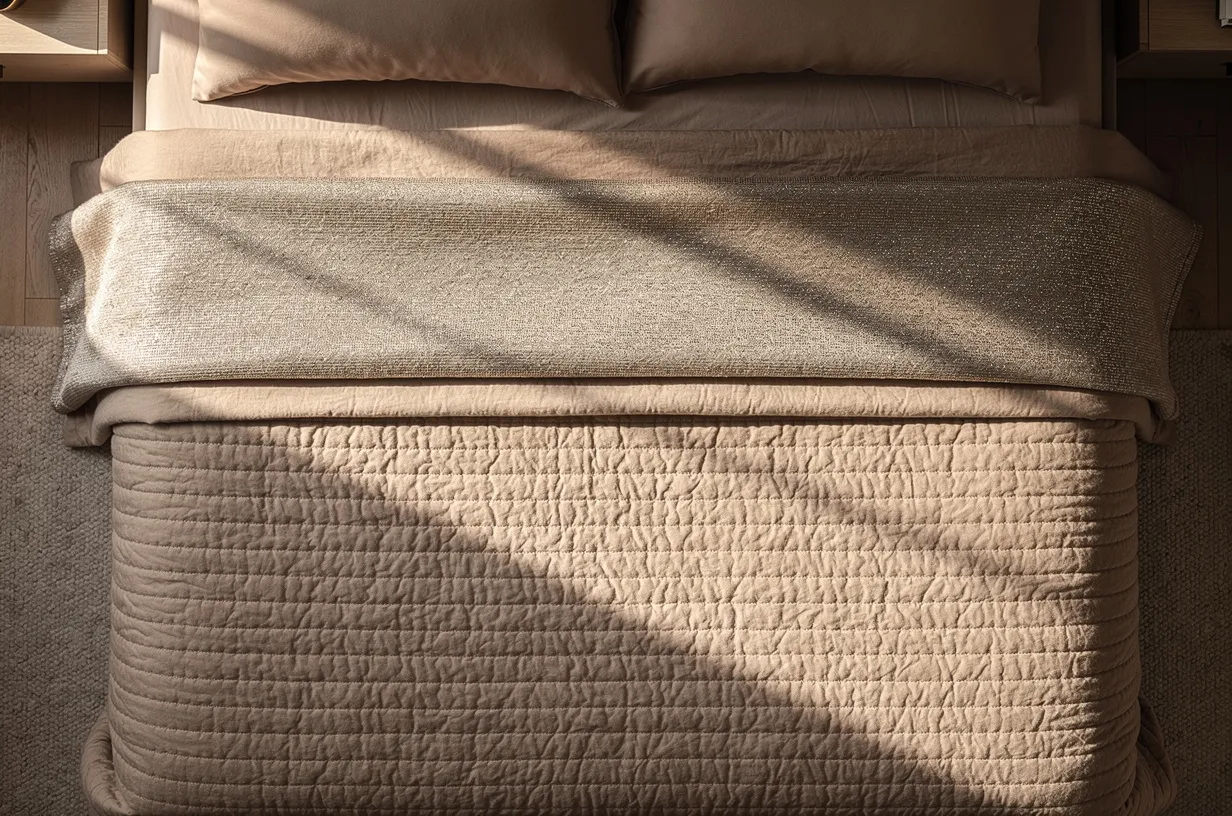
A grounding blanket connects you to the earth’s charge through a conductive thread; a weighted blanket uses pressure alone. Here’s how they actually compare, and which one is worth trying first.
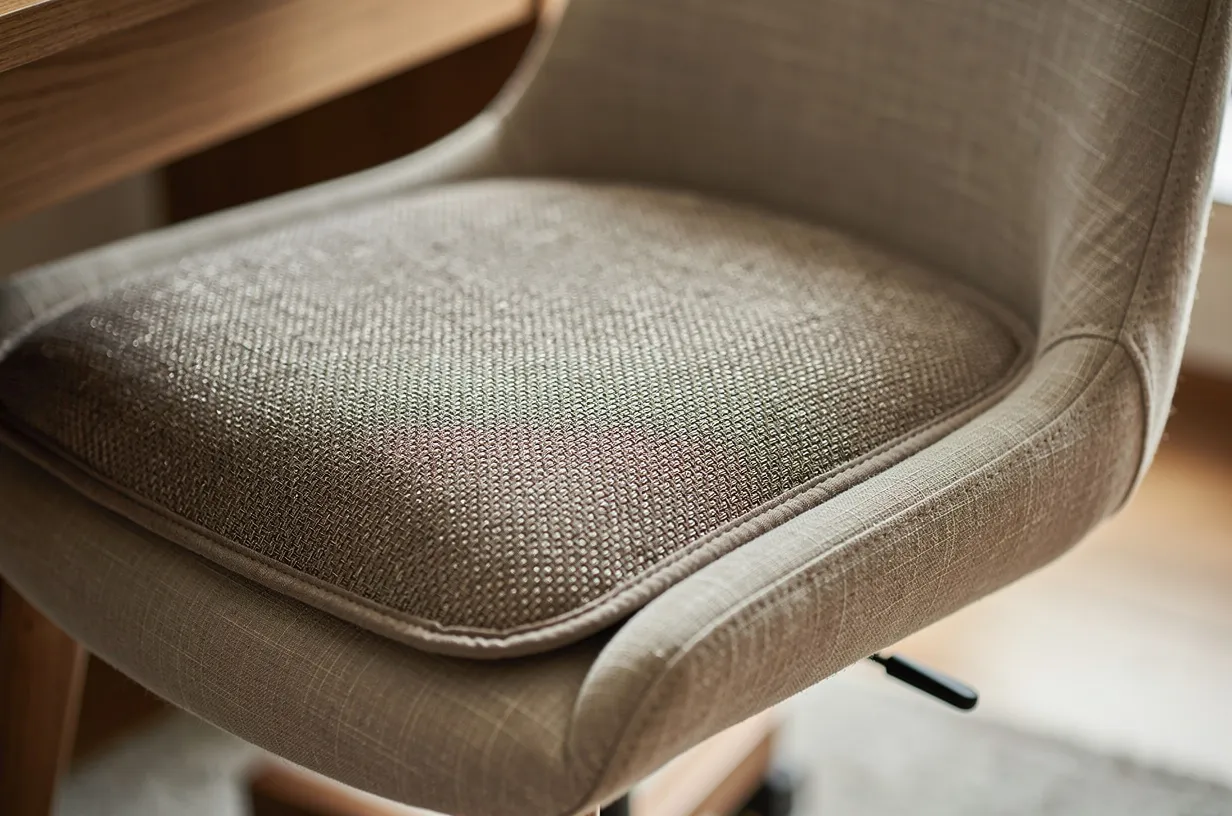
A grounding chair pad extends the same outlet-ground connection from your bed to your desk chair, and it’s worth trying if a grounded outlet and real skin contact are in place.