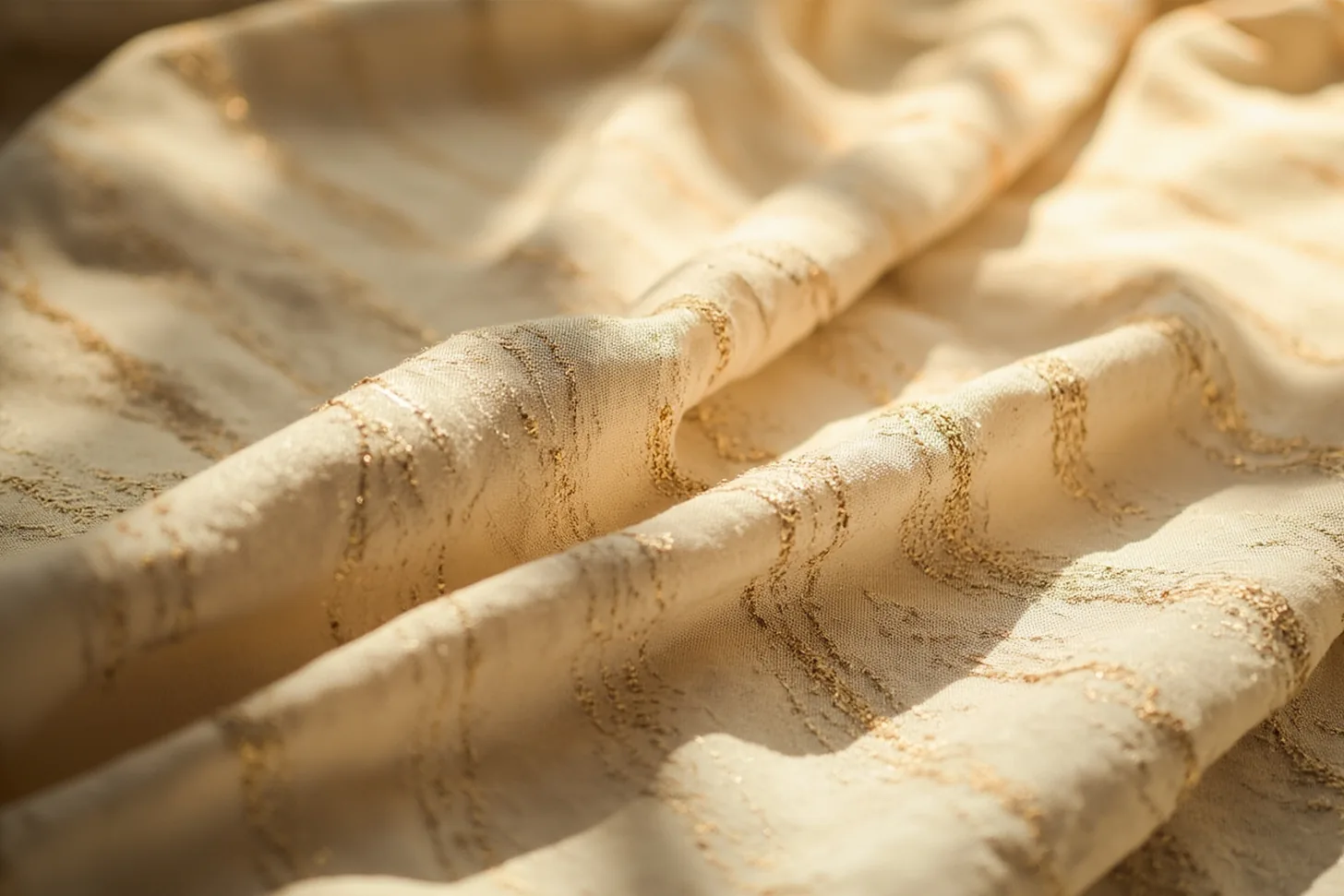
Organic cotton grounding sheets cost more mostly because of the base fabric, not the conductive fibers threaded through it. If pesticide residue or synthetic finishing against your skin for eight hours a night bothers you, the upgrade is worth it. If you just want the grounding effect itself, a well-made conventional cotton grounding sheet does the same electrical job.
Organic cotton doesn’t ground you any better than conventional cotton. It’s a fabric-quality upgrade, not a conductivity upgrade, so buy it for comfort and chemical exposure reasons, not for a stronger effect.
Why does the fabric base matter if conductivity comes from the woven fibers?
A grounding sheet works because thin conductive threads, usually silver or stainless steel, run through the fabric and connect to your outlet’s ground pin through a cord and prong. That part of the equation is entirely about the metal, not the weave around it. We cover the metal question separately in Stainless Steel vs Silver Grounding Sheets: Which Lasts Longer? if you want the durability side of it.
The cotton base is what your skin actually spends the night against. It decides how the sheet breathes, how it softens over time, and whether you’re sleeping on fabric that was grown with synthetic pesticides and finished with formaldehyde resins, which conventional cotton often is. None of that changes how many electrons reach you. All of it changes what else reaches you.
What’s actually different between organic and regular cotton grounding sheets?
Organic cotton is grown without synthetic pesticides or herbicides and, if it carries a GOTS certification, processed without chlorine bleach or formaldehyde-based finishing. Conventional cotton has neither restriction. That’s the whole difference on paper.
In practice, the honest answer is that nobody has run a study isolating organic versus conventional cotton specifically on grounding sheets. The research anchors this site relies on, Ghaly and Teplitz on sleep and cortisol, Chevalier’s blood viscosity pilot, the Oschman review on inflammation, all tested the grounding connection itself, not the fabric it’s woven into. So treat the organic label the way you’d treat it on any bedding: a manufacturing and sourcing choice, not a claim about the grounding effect.
| Feature | Organic cotton base | Conventional cotton base |
|---|---|---|
| Growing chemicals | No synthetic pesticides/herbicides | Often sprayed, cotton is a heavy-pesticide crop |
| Finishing | No chlorine bleach or formaldehyde resin, if GOTS-certified | May use both for stain resistance and wrinkle-free finish |
| Feel over time | Softens with washing, holds up well | Varies by thread count, can stiffen or pill |
| Grounding/conductivity | No difference, depends on the metal fiber | No difference, depends on the metal fiber |
| Typical price premium | Higher | Lower |
Does organic cotton feel different to sleep on?
When I switched from a standard cotton grounding sheet to an organic one, the difference showed up after a few washes, not out of the box. The organic sheet softened instead of pilling, and it stayed breathable through humid nights where the conventional one felt slightly clammy by morning. That’s a fabric observation, not a grounding one, and it’s worth being clear about that distinction.
If you’re a hot sleeper, the weave and thread count matter more than the organic label. A tightly woven organic percale can still trap heat if that’s how it’s constructed. Read the fabric specs, not just the word organic on the box.
The other thing that stood out over months of use was smell. Conventional cotton sheets, fresh out of the packaging, sometimes carry a faint chemical odor from finishing agents that takes a wash or two to clear out. The GOTS-certified sheet skipped that step entirely, which is minor but noticeable on the first night.
Is the extra cost worth paying?
For most people, the honest answer is: only if the reason you’re buying organic bedding in general applies here too. If you already choose organic cotton sheets, towels, or clothing because of pesticide or chemical sensitivity, extend that same logic to your grounding sheet. If you’ve never cared about organic labeling elsewhere in your home, there’s no grounding-specific reason to start now.
Where I’d push back on the marketing is when organic cotton is used to imply a stronger or more effective grounding sheet. It isn’t. The metal fiber type, the fit under your fitted sheet, and how consistently you actually use it each night matter far more for the outcome than whether the cotton was organic.
Budget matters here too. If money is tight, spending it on a reliable conductive fiber and a proper fit beats spending it on an organic label with a cheap thread that fails in a year. Our Cheap Grounding Sheets: What You Sacrifice Below $100 guide breaks down exactly what gets cut at lower price points, and fabric certification is usually the first thing to go.
What to check before buying an organic cotton grounding sheet
Look past the organic label to three things: the certification (GOTS is the meaningful one, not just a vague organic claim on the listing), the conductive fiber type, and the warranty length, since a poorly made conductive thread wears out regardless of how good the cotton around it is. If US manufacturing matters to you specifically, our guide to Grounding Sheets Made in USA: Brands That Actually Manufacture Here covers which brands actually produce domestically versus import and label.
Premium Grounding Sheet
30% stainless-steel fibers instead of silver, so it will not oxidize and lasts about five times longer. Fits under your fitted sheet, ships worldwide, and comes with a 90-night trial and a 3-year warranty.
Check price on Premium GroundingFor a full buying framework across price, size, and fiber type, our Best Grounding Sheets of 2026: Tested Picks & Buying Guide guide walks through the whole decision, organic cotton being one factor among several rather than the deciding one.
Frequently asked questions
Does organic cotton affect how well a grounding sheet conducts?
No. Conductivity comes from the silver or stainless-steel fibers woven through the fabric, not the cotton itself. An organic base grounds you the same way a conventional one does.
Is GOTS certification worth checking for on a grounding sheet?
It’s a reasonable trust signal. GOTS means the cotton was grown and processed without the synthetic pesticides and chlorine bleaching common in conventional cotton, which matters more to some sleepers than others.
Can I wash organic cotton grounding sheets the same way as regular ones?
Mostly yes, cold wash, mild detergent, no fabric softener, air dry or low heat. Fabric softener and bleach can damage the conductive threads regardless of what the base fabric is.
Are organic cotton grounding sheets better for sensitive skin?
Often, yes, for people who react to formaldehyde finishing or pesticide residue in conventional cotton. If you’ve never had skin reactions to regular sheets, the benefit is smaller.
How much more do organic cotton grounding sheets usually cost?
Expect to pay a real premium over a basic conventional-cotton grounding sheet, similar to what organic bedding costs over standard bedding generally.
- Grounding Sheets Made in USA: Brands That Actually Manufacture Here
- Stainless Steel vs Silver Grounding Sheets: Which Lasts Longer?
- Best Earthing Sheets: Top Picks Ranked by Conductivity & Durability
- King Size Grounding Sheets: Sizing Guide & Best Options
- Cheap Grounding Sheets: What You Sacrifice Below $100
← Best Grounding Sheets of 2026: Tested Picks & Buying Guide