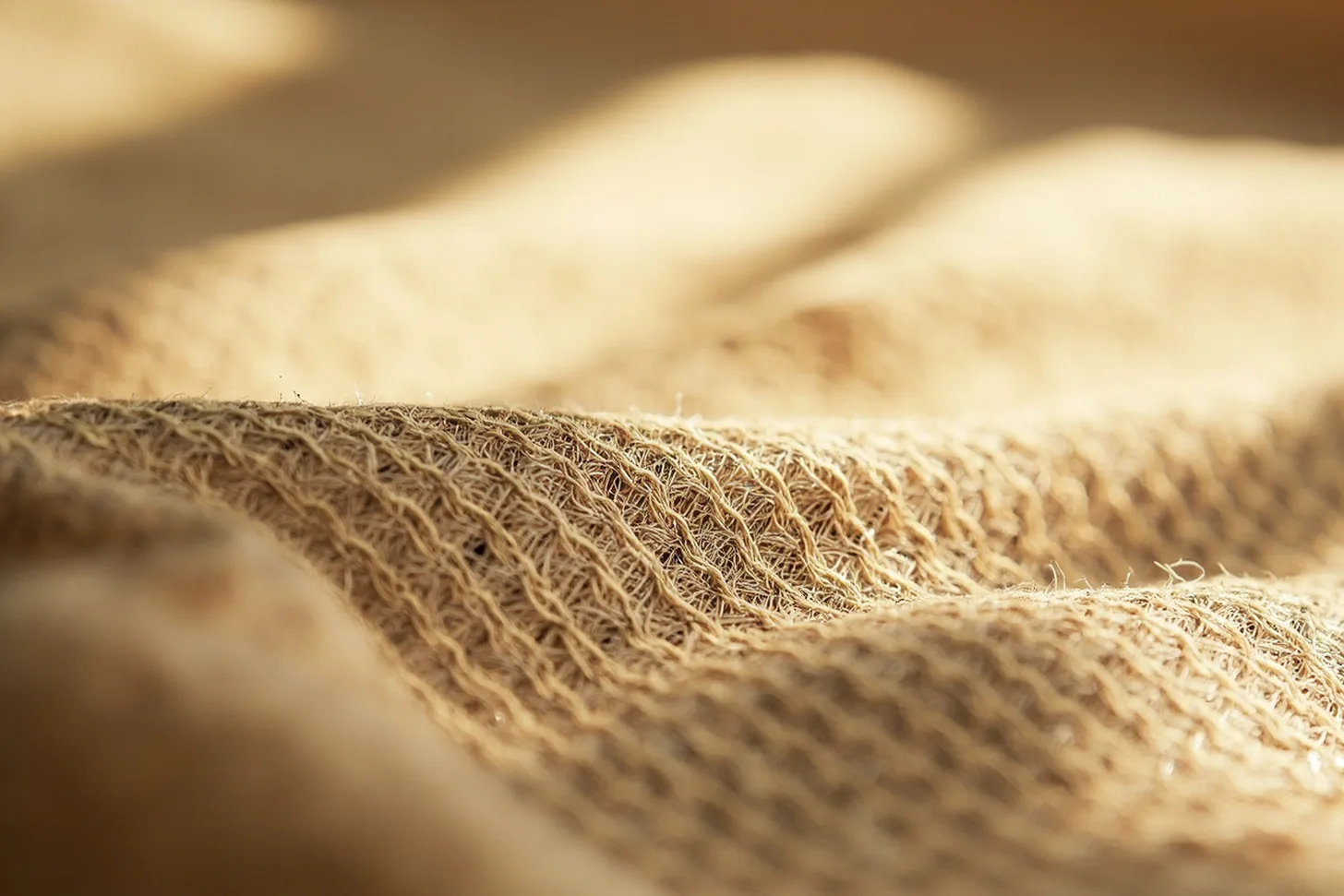
Most grounding sheets are woven from ordinary cotton or cotton-poly blend, with a small percentage of conductive metal fiber threaded through the weave, usually somewhere between 5% and 30%. That metal is almost always either pure silver or stainless steel, and which one your sheet uses matters more for durability than for how it feels the first night you sleep on it.
Stainless steel fiber holds its conductivity longer than silver because it doesn’t oxidize the way silver does. Silver may feel marginally more conductive brand new, but that gap closes fast, then reverses, as the sheet gets washed.
What’s actually woven into the fabric?
Grounding fabric is made by spinning a metal fiber, either drawn silver wire or fine stainless steel filament, alongside cotton or polyester thread, then weaving that blended yarn into the sheet the same way you’d weave any bedding fabric. The metal fiber creates a continuous conductive path through the fabric, from your skin down to the snap or grommet where the grounding cord attaches. How Do Grounding Sheets Work? The Mechanism Step by Step covers that full circuit in more detail if you want the mechanism, not just the material.
The percentage of conductive fiber varies by brand and by price point. A cheap sheet might use 5% conductive thread woven in a loose grid pattern. A denser one runs closer to 30%, which generally means more consistent skin contact and a more even ground across the whole sleeping surface.
Why silver was the original choice
Silver is one of the most conductive metals that exists, which made it the obvious pick when grounding products first showed up. It’s also naturally antimicrobial, soft enough to spin into thread, and it was already a familiar material from medical and outdoor gear. Early earthing sheets, and a lot of budget options still sold today, use pure silver fiber for exactly those reasons.
The catch is that silver is chemically reactive. It tarnishes on contact with air, sulfur compounds in sweat, and some laundry detergents, forming a thin oxide layer on the surface of each fiber. That layer is where the real problem starts.
The oxidation problem, explained plainly
Oxidized silver conducts electricity far less efficiently than clean silver. You’ve probably seen this on jewelry: a ring left in a drawer for a year comes out darker and duller, and that discoloration is the same chemical process happening at a microscopic scale on silver-fiber bedding.
Every wash cycle, every night of skin contact and sweat, and every bit of ambient humidity nudges that oxidation forward. A silver grounding sheet that tests strong on day one can measure noticeably weaker after a few months of normal laundering, even though nothing about it looks visibly worn. You can check this yourself with a simple continuity test, which we walk through in How to Test if Your Grounding Sheet Is Actually Working.
Why stainless steel is becoming the standard
Stainless steel fiber conducts slightly less efficiently than pristine silver on paper, but it doesn’t oxidize the same way, so that small gap barely matters in practice. What matters more is that a stainless steel sheet keeps testing close to its original conductivity wash after wash, month after month, instead of quietly degrading.
Stainless steel is also more resistant to the everyday wear a bed sheet takes: friction, stretching, repeated hot-water washing. Manufacturers that have shifted toward it, including newer entrants in this space, generally cite lifespan as the reason, not raw conductivity. A sheet you have to replace every year because the fiber tarnished out isn’t actually the better long-term buy, even if it was a little cheaper upfront.
| Factor | Silver fiber | Stainless steel fiber |
|---|---|---|
| Conductivity fresh out of the package | Slightly higher | Strong, marginally lower |
| Resistance to oxidation | Poor, tarnishes with wash and sweat | Very good |
| Conductivity after months of washing | Often drops noticeably | Stays close to original |
| Typical lifespan | Shorter | Longer |
| Feel against skin | Soft, slightly cool | Slightly firmer, similarly cool |
| Antimicrobial property | Yes, naturally | Limited on its own |
Does the fiber percentage matter as much as the metal?
Yes, to an extent. A sheet with 30% stainless steel fiber and dense weave will generally out-conduct a sheet with 5% silver fiber, even accounting for oxidation. When you’re comparing two sheets, look for both numbers: which metal, and roughly what share of the fabric it makes up. Neither figure alone tells the whole story, and most listings that skip both are worth a second look before you buy.
If you want the full picture of what these sheets are and how the category fits together, What Are Grounding Sheets? How Earthing Bedding Actually Works is the place to start.
Our take after testing both
After sleeping on sheets from both camps over multiple wash cycles, the practical difference showed up exactly where the chemistry predicts: the silver sheet’s continuity reading dropped over a few months, while the stainless steel sheet held steady. Neither sheet felt dramatically different against skin night to night. The gap is a durability story, not a comfort one.
That’s the main reason our top pick uses a 30% stainless-steel fiber blend rather than silver. It’s built to stay conductive for years of normal washing rather than tarnishing out within a season.
Premium Grounding Sheet
30% stainless-steel fibers instead of silver, so it will not oxidize and lasts about five times longer. Fits under your fitted sheet, ships worldwide, and comes with a 90-night trial and a 3-year warranty.
Check price on Premium GroundingWhichever fiber you land on, the fabric only does its job if the rest of the setup is right too, meaning a properly grounded outlet and a cord that’s actually making contact. How Do Grounding Sheets Work? The Mechanism Step by Step walks through that whole chain if you’re still deciding what to buy.
Frequently asked questions
Is silver or stainless steel better for a grounding sheet?
Stainless steel holds up better over time because it resists oxidation, so it keeps conducting even after regular washing. Silver conducts slightly better fresh out of the package, but that edge fades as the fibers tarnish.
Why does silver fabric turn black or grey?
Pure silver oxidizes when it’s exposed to air, sweat and detergent, the same reason silver jewelry tarnishes. That oxide layer is far less conductive than raw silver, so a silver grounding sheet can quietly lose effectiveness while still looking fine.
Does the fiber type change how well a sheet grounds you, or just how long it lasts?
Both, to a point. A fresh sheet of either material will conduct well enough to register on a multimeter. The bigger difference shows up after months of washing, when an oxidized silver sheet may test noticeably weaker than a stainless steel one.
How can I tell which fiber a sheet uses before I buy it?
Check the product description or fabric spec sheet for the words silver fiber or stainless steel fiber, and look for a percentage (most run 5-30%). If the listing only says conductive thread with no material named, ask the seller directly before ordering.
- What Is Earthing? The Practice Behind Grounding, Explained
- How Do Grounding Sheets Work? The Mechanism Step by Step
- Grounding Sheets vs Earthing Sheets: Same Thing, Different Name?
- The History of Grounding: How Cultures Slept Connected to the Earth
- How to Test if Your Grounding Sheet Is Actually Working
← What Are Grounding Sheets? How Earthing Bedding Actually Works